CAS 58888-87-2
:3-Ethylpentanoic acid
Description:
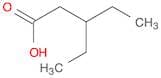
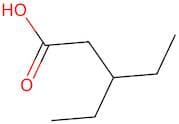
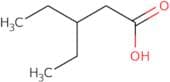
3-Ethylpentanoic acid is a branched-chain carboxylic acid characterized by its five-carbon backbone with an ethyl group attached to the third carbon. This compound has the molecular formula C7H14O2 and features a carboxyl functional group (-COOH), which imparts acidic properties. It is typically a colorless to pale yellow liquid with a distinctive odor. The presence of the ethyl group contributes to its hydrophobic characteristics, while the carboxylic acid group allows for hydrogen bonding, influencing its solubility in polar solvents. 3-Ethylpentanoic acid is known for its applications in organic synthesis and as an intermediate in the production of various chemical compounds. Its boiling point and melting point are influenced by the molecular structure, and it is generally stable under standard conditions. As with many carboxylic acids, it can undergo typical reactions such as esterification and neutralization. Safety precautions should be taken when handling this substance, as it may cause irritation to the skin and eyes.
Formula:C7H14O2
InChI:InChI=1S/C7H14O2/c1-3-6(4-2)5-7(8)9/h6H,3-5H2,1-2H3,(H,8,9)
InChI key:InChIKey=ATUUSOSLBXVJKL-UHFFFAOYSA-N
SMILES:C(CC(O)=O)(CC)CC
Synonyms:- Pentanoic Acid, 3-Ethyl-
- 3-Ethylpentanoic acid
Sort by
Purity (%)
0
100
|
0
|
50
|
90
|
95
|
100
Found 5 products.
3-Ethylpentanoic acid
CAS:<p>3-Ethylpentanoic acid is a fatty acid that is naturally found in the human body and can be synthesized by the body from other fatty acids. 3-Ethylpentanoic acid has been shown to inhibit histone deacetylase (HDAC) activity, which may be a possible mechanism for its antitumor effects. HDAC inhibitors are being studied as potential anticancer drugs. 3-Ethylpentanoic acid also inhibits the enzymatic activity of fatty acid synthase, thereby preventing the production of branched-chain fatty acids that are toxic to the liver. In addition, 3-ethylpentanoic acid has been shown to have pharmacokinetic properties in rats and mice with high levels of enzymes that convert it into a more hydrophobic form, which may lead to better absorption from the gastrointestinal tract and decreased metabolism by enzymes in the liver.</p>Formula:C7H14O2Purity:Min. 95%Molecular weight:130.18 g/mol