CAS 59418-09-6
:Methyl 4-thiazole carboxylate
Description:
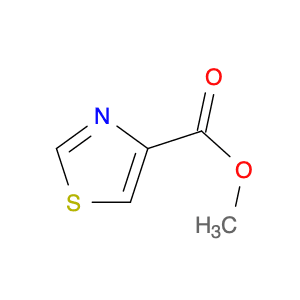
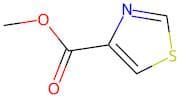
Methyl 4-thiazole carboxylate is an organic compound characterized by its thiazole ring, which is a five-membered heterocyclic structure containing both sulfur and nitrogen atoms. This compound features a carboxylate functional group, which contributes to its reactivity and solubility in polar solvents. Typically, methyl 4-thiazole carboxylate appears as a colorless to pale yellow liquid or solid, depending on its purity and form. It is known for its distinct odor and is often used in the synthesis of various pharmaceuticals and agrochemicals due to its biological activity. The compound exhibits moderate stability under standard conditions but may undergo hydrolysis or other reactions in the presence of strong acids or bases. Its molecular structure allows for potential interactions with biological systems, making it of interest in medicinal chemistry. Safety data indicates that, like many organic compounds, it should be handled with care, using appropriate safety measures to avoid inhalation or skin contact.
- Methyl 4-thiazolecarboxylate
Sort by
Purity (%)
0
100
|
0
|
50
|
90
|
95
|
100
Found 4 products.
Methyl 4-thiazolecarboxylate
CAS:Formula:C5H5NO2SPurity:98%Color and Shape:SolidMolecular weight:143.1637Methyl 1,3-thiazole-4-carboxylate
CAS:Methyl 1,3-thiazole-4-carboxylateFormula:C5H5NO2SPurity:97%Color and Shape:SolidMolecular weight:143.16g/molMethyl 4-thiazolecarboxylate
CAS:Formula:C5H5NO2SPurity:98%Color and Shape:SolidMolecular weight:143.16Methyl thiazole-4-carboxylate
CAS:Methyl thiazole-4-carboxylate is an organic compound that is a derivative of thiabendazole. It is used as a fungicide and insecticide. Methyl thiazole-4-carboxylate binds to the benzene ring of the aromatic hydrocarbon, acetaldehyde, and inhibits its ability to interact with the acetyl group of acetylation. This results in the accumulation of acetaldehyde within cells, which can lead to cancerous growth. Methyl thiazole-4-carboxylate also has anti-inflammatory properties that may be due to its ability to inhibit prostaglandin synthesis.
Formula:C5H5NO2SPurity:Min. 95%Molecular weight:143.17 g/mol