CAS 60902-27-4
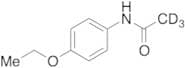
:Phenacetin-d3
Description:
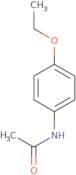
Phenacetin-d3 is a deuterated form of phenacetin, which is an analgesic and antipyretic compound historically used for pain relief and fever reduction. The "d3" designation indicates that three hydrogen atoms in the phenacetin molecule have been replaced with deuterium, a stable isotope of hydrogen. This modification can enhance the compound's utility in research, particularly in pharmacokinetic studies and metabolic tracking, as deuterated compounds often exhibit different behaviors in biological systems compared to their non-deuterated counterparts. Phenacetin-d3 retains the core structure of phenacetin, which includes an acetanilide moiety, contributing to its analgesic properties. It is typically a white crystalline solid and is soluble in organic solvents. The compound is primarily used in scientific research rather than clinical applications, given the historical concerns regarding the safety of phenacetin. As with any chemical substance, proper handling and safety protocols should be followed, especially in laboratory settings.
Formula:C10H10D3NO2
Synonyms:- [2H3]-Phenacetin
- 2,2,2-trideuterio-N-(4-ethoxyphenyl)acetamide
Sort by
Purity (%)
0
100
|
0
|
50
|
90
|
95
|
100
Found 2 products.
Phenacetin-d3
CAS:Controlled ProductApplications Phenacetin-d3 is the labeled analogue of Phenacetin (P294580), an analgesic, antipyretic; component of APC tablets, analgesic mixture also containing aspirin and caffeine. Phenacetin is reasonably anticipated to be a human carcinogen; analgesic mixtures containing Phenacetin are listed as known human carcinogens.
References Boyd, et al.: Toxicol. Appl. Pharmacol., 1, 240 (1959); Dubach, C.U., et al.: N. Engl. J. Med., 308, 357 (1983)Formula:C10H10D3NO2Color and Shape:NeatMolecular weight:182.23Phenacetin-d3
CAS:Phenacetin-d3 is a radioactive isotope of phenacetin that has been used to study drug metabolism. It is reconstituted with a deuterium atom at the 3 position. Phenacetin-d3 binds to the membrane transporter protein, P-glycoprotein, and it does not bind to other transporters such as MRP1 and BCRP. The binding of phenacetin-d3 to P-glycoprotein alters the activity of the transporter in a manner that is dependent on the concentration of drugs in plasma. This effect has been shown using both chemical ionization mass spectrometry and liquid chromatography tandem mass spectrometry techniques with plasma samples from patients who are taking statins.Formula:C10H10D3NO2Purity:Min. 95%Molecular weight:182.23 g/mol