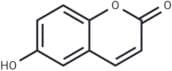
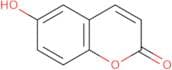
CAS 6093-68-1
:2H-1-Benzopyran-2-one, 6-hydroxy-
Description:
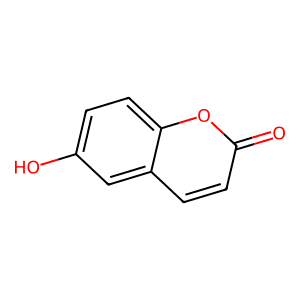
2H-1-Benzopyran-2-one, 6-hydroxy- (CAS 6093-68-1), commonly known as coumarin, is a naturally occurring compound found in various plants. It features a benzopyran structure, characterized by a fused benzene and pyran ring, with a hydroxyl group at the 6-position. This compound is known for its sweet, pleasant odor and is often used in the fragrance and flavoring industries. Coumarin exhibits a range of biological activities, including anticoagulant, anti-inflammatory, and antioxidant properties, making it of interest in pharmacological research. It is soluble in organic solvents but has limited solubility in water. Additionally, coumarin can undergo various chemical reactions, such as oxidation and esterification, which can modify its properties and applications. However, it is important to note that coumarin and its derivatives can be toxic at high concentrations, and regulatory agencies have set limits on its use in food products. Overall, 2H-1-Benzopyran-2-one, 6-hydroxy- is a versatile compound with significant implications in both natural and synthetic chemistry.
Formula:C9H6O3
Synonyms:- 6-hydroxy-2H-1-Benzopyran-2-one
Sort by
Purity (%)
0
100
|
0
|
50
|
90
|
95
|
100
Found 9 products.
6-Hydroxycoumarin
CAS:6-Hydroxycoumarin: cytotoxic to HL60, HCT116, COLO205 (35, 42, 37 µM), inhibits CA9, CA12.Formula:C9H6O3Purity:98.65%Color and Shape:SolidMolecular weight:162.146-Hydroxycoumarin
CAS:6-Hydroxymethylcoumarin is a reactive, hydroxyl-containing molecule that has been shown to have inhibitory properties against the bacteria Pseudomonas aeruginosa. It is an inhibitor of nucleophilic substitutions, which are necessary for the synthesis of DNA and RNA. 6-Hydroxycoumarin has been shown to be effective in vitro against p. aeruginosa and other bacteria with similar mechanisms of action. Coumarins have also been found to be cytotoxic and cancerous in nature, as well as inhibiting growth factor activity. They are also used as pharmaceutical preparations for treating gastric ulcers due to their ability to inhibit the production of hydrochloric acid by parietal cells in the stomach lining.Formula:C9H6O3Purity:Min. 95 Area-%Color and Shape:PowderMolecular weight:162.14 g/mol