CAS 613-19-4
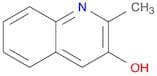
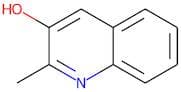
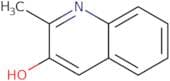
:2-methylquinolin-3-ol
Description:
2-Methylquinolin-3-ol, with the CAS number 613-19-4, is an organic compound belonging to the class of quinolines, which are bicyclic aromatic compounds. This substance features a quinoline backbone with a hydroxyl group (-OH) and a methyl group (-CH3) attached to the aromatic ring. The presence of the hydroxyl group imparts phenolic characteristics, making it a weak acid and capable of participating in hydrogen bonding. 2-Methylquinolin-3-ol is typically a solid at room temperature and exhibits moderate solubility in polar solvents due to its hydroxyl group. It is known for its potential biological activities, including antimicrobial and antioxidant properties, which make it of interest in medicinal chemistry. Additionally, its structure allows for various chemical modifications, which can enhance its pharmacological profile. Safety data should be consulted for handling and exposure, as with any chemical substance, to ensure proper laboratory practices.
Formula:C10H9NO
InChI:InChI=1/C10H9NO/c1-7-10(12)6-8-4-2-3-5-9(8)11-7/h2-6,12H,1H3
SMILES:Cc1c(cc2ccccc2n1)O
Synonyms:- 3-Quinolinol, 2-methyl-
- 2-Methylquinolin-3-ol
- 2-Methyl-3-puinolinol
- 3-Hydroxy-2-methylquinoline
- 2-methy-3-Hydroxyquinoline
- 3-Hydroxyquinaldine
Sort by
Purity (%)
0
100
|
0
|
50
|
90
|
95
|
100
Found 4 products.
2-Methylquinolin-3-ol
CAS:2-Methylquinolin-3-ol is a peroxide with the chemical formula C9H7O2. It has been shown to have antibacterial activity against Gram-positive and Gram-negative bacteria, although it is less potent than sodium hypochlorite. 2-Methylquinolin-3-ol is most effective when in stoichiometric amounts of hydrogen peroxide. It has been shown to be more efficient in the presence of glycols such as ethylene glycol and propylene glycol, which increase its rate of reaction. The mechanism for 2-methylquinolin-3-ol's antibacterial activity is thought to be due to oxidation of bacterial cell membranes. This chemical compound reacts with the cell membrane and causes lipid peroxidation, leading to the death of the bacteria by leakage of cellular contents. 2Mqo also absorbs ultraviolet radiation from sunlight, forming an excited state that can undergo photochemical reactions with oxygen or other molecules in its environment,Formula:C10H9NOPurity:Min. 95%Molecular weight:159.18 g/mol