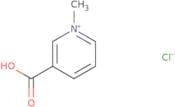
CAS 6138-40-5
:Pyridinium,3-carboxy-1-methyl-, hydroxide (1:1)
- Pyridinium,3-carboxy-1-methyl-, hydroxide (9CI)
- Pyridinium, 3-carboxy-1-methyl-,hydroxide, inner salt, monohydrate (8CI)
- Trigonelline monohydrate
Trigonellin monohydrate
CAS:Trigonellin is a compound found in the seeds of the plant genus Trigonella, which includes species such as white or yellow sesame. It is a picolinic acid ester of hydroxycinnamic acid and has been shown to act as a ligand for Toll-like receptors. Trigonellin monohydrate can be used as a biological marker for response element activation. It also has hypoglycemic effects and increases the matrix effect of insulin by enhancing glucose transport across cell membranes. This compound has been analyzed using chromatography, which has revealed its presence in plants like Sesamum indicum (sesame) and Coriandrum sativum (coriander).
Methane gas is released from these plants when they are heated or burned, and this gas reacts with oxygen to form water vapor. Trigonellin monohydrate can be found in both plants when they are analyzed using analytical methods such as gas chromatography-massFormula:C7H9NO3Purity:Min. 95%Molecular weight:155.15 g/molTrigonelline hydrochloride
CAS:Formula:C7H8ClNO2Purity:97%Color and Shape:Liquid, No data available.Molecular weight:173.6