CAS 6149-45-7
:Butanoic acid, 3-hydroxy-3-methyl-, methyl ester
Description:
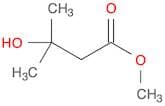
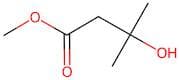
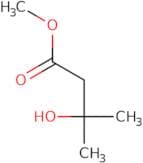
Butanoic acid, 3-hydroxy-3-methyl-, methyl ester, also known as methyl 3-hydroxy-3-methylbutanoate, is an organic compound characterized by its ester functional group derived from butanoic acid. It features a branched structure with a hydroxyl group and a methyl group attached to the third carbon of the butanoic acid backbone. This compound typically appears as a colorless to pale yellow liquid with a fruity odor, making it relevant in flavor and fragrance applications. It is soluble in organic solvents and exhibits moderate solubility in water due to the presence of the hydroxyl group. The compound is known for its potential use in the synthesis of various chemicals and as an intermediate in organic reactions. Additionally, it may have applications in the production of biodegradable polymers and as a flavoring agent in the food industry. Safety data indicates that, like many esters, it should be handled with care, as it may cause irritation upon contact with skin or eyes.
Formula:C6H12O3
Synonyms:- 4-Bromo-2,18-diaminopyridine
- Methyl 3-hydroxy-3-methylbutanoate
- 3-Hydroxy-3-methylbutanoic acid methyl ester
- Butanoic acid, 3-hydroxy-3-methyl-, methyl ester
- methyl β-hydroxy-β-methylbutyrate
Sort by
Purity (%)
0
100
|
0
|
50
|
90
|
95
|
100
Found 4 products.
3-Hydroxy-3-methylbutanoic acid methyl ester
CAS:Formula:C6H12O3Purity:95%Color and Shape:LiquidMolecular weight:132.1577Methyl 3-Hydroxy-3-Methylbutanoate
CAS:Methyl 3-Hydroxy-3-MethylbutanoatePurity:98%Molecular weight:132.15g/molMethyl 3-hydroxy-3-methylbutanoate
CAS:Methyl 3-hydroxy-3-methylbutanoate is a reactive compound that can be used as a building block in organic synthesis. It is used to synthesize a variety of compounds, including pharmaceuticals and agrochemicals. Methyl 3-hydroxy-3-methylbutanoate has been shown to react with methoxy groups to form methyl hydroxy groups. This reaction is catalyzed by the protonation of the oxygen atom on the reactant's oxygen atom, which leads to a cyclic transition state. Kinetic studies have been performed and show that the rate of this reaction increases with an increase in temperature. The kinetic parameters for this reaction are not currently known, but it has been shown that the nucleophilic attack on the carbon atom adjacent to the leaving group occurs from primary alcohols and alkyl halides.Formula:C6H12O3Purity:Min. 95%Molecular weight:132.16 g/mol