CAS 61512-20-7
:Cord factor
Description:
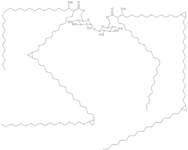
Cord factor, also known as trehalose 6,6'-dimycolate (TDM), is a glycolipid primarily associated with the cell wall of Mycobacterium tuberculosis and other mycobacteria. It plays a crucial role in the virulence of these bacteria, contributing to their ability to evade the host immune response. Cord factor is characterized by its unique structure, which consists of a trehalose sugar molecule linked to two mycolic acid chains. This structure is responsible for its amphiphilic properties, allowing it to form lipid bilayers and micelles. Cord factor is known to induce a strong immune response, including the activation of macrophages, which can lead to granuloma formation in infected tissues. Additionally, it has been studied for its potential applications in vaccine development and as an adjuvant due to its immunomodulatory effects. However, its presence in pathogenic mycobacteria also poses challenges for treatment and vaccine efficacy, making it a significant focus of research in infectious disease and immunology.
Formula:Unspecified
Synonyms:- Cord Factors
- Cord factor
- Trehalose 6,6′-dimycolate
- Trehalose dimycolate
Sort by
Purity (%)
0
100
|
0
|
50
|
90
|
95
|
100
Found 3 products.
Trehalose 6,6'-dimycolate
CAS:Trehalose 6,6'-dimycolate (T6DM) is a trehalose analog with lipophilic side chain. T6DM causes apoptosis by blocking the toll-like receptor 4 (TLR4) and TLR2 pathways. T6DM has also been shown to reduce the inflammatory response caused by lipopolysaccharides (LPS), which are bacterial cell wall components. T6DM is a promising agent for the treatment of infectious diseases such as tuberculosis and other bacterial infections that cause inflammation.Isolated from microbial source: mycobacterium bovisColor and Shape:White PowderMolecular weight:2642.48