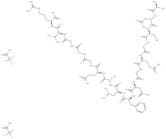
CAS 61533-47-9
:Fibrinopeptide A, human (TFA)
Description:
Fibrinopeptide A (FPA) is a peptide derived from the cleavage of fibrinogen, a key protein involved in blood coagulation. It plays a crucial role in the formation of fibrin, which is essential for blood clotting. FPA is composed of a specific sequence of amino acids and is released during the conversion of fibrinogen to fibrin by the enzyme thrombin. The presence of FPA in the bloodstream can serve as a biomarker for thrombotic disorders, as its levels can indicate the activation of the coagulation cascade. FPA is typically characterized by its relatively small size and specific amino acid composition, which contributes to its biological function. In laboratory settings, it can be synthesized and analyzed for research purposes, particularly in studies related to hemostasis and thrombosis. The CAS number 61533-47-9 uniquely identifies this substance, facilitating its recognition in scientific literature and databases. Overall, Fibrinopeptide A is significant in both physiological processes and clinical diagnostics related to coagulation.
Formula:C65H98F3N19O28
Synonyms:- Human fibrinopeptide A TFA
- Fibrinopeptide A, human (TFA)
Sort by
Purity (%)
0
100
|
0
|
50
|
90
|
95
|
100
Found 1 products.
Fibrinopeptide A, human TFA
CAS:Human fibrinopeptide A, a 16-residue peptide, is thrombin-cleaved from fibrinogen's Aα chain NH2-terminus, aiding fibrin polymerization.Formula:C67H99F6N19O30Purity:98%Color and Shape:SolidMolecular weight:1764.6