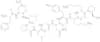
CAS 62031-54-3
:Fibroblast growth factor
Description:
Fibroblast Growth Factor (FGF), specifically the variant associated with the CAS number 62031-54-3, is a protein that plays a crucial role in various biological processes, including cell growth, tissue repair, and angiogenesis. FGFs are a family of heparin-binding growth factors that interact with specific receptors on cell surfaces, initiating signaling pathways that promote cellular proliferation and differentiation. This particular FGF is involved in embryonic development and wound healing, influencing the formation of blood vessels and the regeneration of tissues. It is characterized by its ability to bind to heparin, which enhances its stability and activity. FGFs are typically produced in response to injury or stress, and their activity is tightly regulated within the body. In therapeutic contexts, FGFs have been explored for their potential in regenerative medicine and tissue engineering due to their ability to stimulate cell growth and repair damaged tissues. However, their use must be carefully controlled to avoid excessive cell proliferation, which could lead to tumorigenesis.
Formula:Unspecified
Synonyms:- Cartilage-derived growth factor
- Fibroblast Growth Factor, Basic, Human
- Fibroblast growth factor
- Fibroblastic growth factor
- Growth factors (animal), cartilage-derived growth factors
- FGF
Sort by
The purity filter is not visible because current products do not have associated purity data for filtering.
Found 1 products.
rec FGF basic (human)
CAS:<p>Rec FGF basic (human) is a human recombinant growth factor that has been shown to be effective in the treatment of life-threatening conditions. Rec FGF basic (human) stimulates the proliferation of various tissue cells, including butyric acid, which are found in abdominal and intestinal tissues. Rec FGF basic (human) also promotes the synthesis of collagen, a protein that is important for healthy skin and vascular walls. Rec FGF basic (human) has been shown to inhibit platelet-derived growth factor and estradiol production, which may be beneficial in the treatment of breast cancer. Rec FGF basic (human) has also been shown to stimulate tissue plasminogen activator production, which prevents blood clot formation and helps dissolve blood clots that have already formed.</p>
