CAS 621-64-7
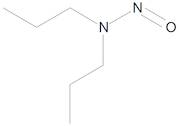
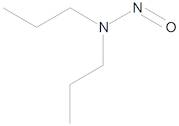
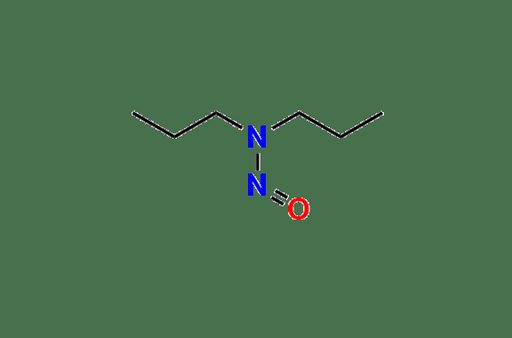
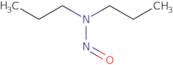
:N-Nitrosodipropylamine
- 1-Propanamine, N-nitroso-N-propyl-
- Di-n-propylnitrosamine
- Dipropylamine, N-nitroso-
- Dipropylnitrosamine
- Dpna
- N,N-Dipropylnitrosamine
- N-Nitroso di-n-propylamine
- N-Nitroso-N-di-n-propylamine
- N-Nitroso-N-propyl-1-propanamine
- N-Nitrosodi-N-propylamine? N-nitrosodipropylamine
- N-Nitrosodipropylamine
- N-nitroso-N-dipropylamine
- N-nitroso-N-propylpropan-1-amine
- N-nitrosopropan-1-amine
- NSC 133
- Ndpa
- Nitrosodipropylamine
- See more synonyms
- Lower prices
- Higher prices
- Lower purities
- Higher purities
- Faster estimated delivery
EPA Method 8270 Calibration Mixture 500-1000 µg/mL in Dichloromethane
CAS:Controlled Product- 100-01-6
- 100-02-7
- 100-25-4
- 100-51-6
- 101-55-3
- 103-23-1
- 103-33-3
- 105-67-9
- 106-44-5
- 106-46-7
- 106-47-8
- 108-39-4
- 108-60-1
- 108-95-2
- 110-86-1
- 111-44-4
- 111-91-1
- 117-81-7
- 117-84-0
- 118-74-1
- 120-12-7
- 120-82-1
- 120-83-2
- 121-14-2
- 122-39-4
- 129-00-0
- 131-11-3
- 132-64-9
- 191-24-2
- 193-39-5
- 205-99-2
- 206-44-0
- 207-08-9
- 208-96-8
- 218-01-9
- 50-32-8
- 51-28-5
- 528-29-0
- 53-70-3
- 534-52-1
- 541-73-1
- 56-55-3
- 58-90-2
- 59-50-7
- 606-20-2
- 62-53-3
- 62-75-9
- 621-64-7
- 67-72-1
- 7005-72-3
- 77-47-4
- 78-59-1
- 83-32-9
- 84-66-2
- 84-74-2
- 85-01-8
- 85-68-7
- 86-73-7
- 86-74-8
- 87-68-3
- 87-86-5
- 88-06-2
- 88-74-4
- 88-75-5
- 90-12-0
- 91-20-3
- 91-57-6
- 91-58-7
- 935-95-5
- 95-48-7
- 95-50-1
- 95-57-8
- 95-95-4
- 98-95-3
- 99-09-2
- 99-65-0
Formula:C6H3Cl3Color and Shape:MixtureMolecular weight:181.45N-Nitroso-di-n-propylamine 100 µg/mL in Methanol
CAS:Controlled ProductFormula:C6H14N2OColor and Shape:Single SolutionMolecular weight:130.19EPA Method 8270 UltiMix Calibration Mixture 500-1000 μg/mL in Benzene:Dichloromethane
CAS:Controlled Product- 100-01-6
- 100-02-7
- 100-25-4
- 100-51-6
- 101-55-3
- 103-23-1
- 103-33-3
- 105-67-9
- 106-44-5
- 106-46-7
- 106-47-8
- 108-39-4
- 108-60-1
- 108-95-2
- 110-86-1
- 111-44-4
- 111-91-1
- 117-81-7
- 117-84-0
- 118-74-1
- 120-12-7
- 120-82-1
- 120-83-2
- 121-14-2
- 122-39-4
- 129-00-0
- 131-11-3
- 132-64-9
- 191-24-2
- 193-39-5
- 205-99-2
- 206-44-0
- 207-08-9
- 208-96-8
- 218-01-9
- 50-32-8
- 51-28-5
- 528-29-0
- 53-70-3
- 534-52-1
- 541-73-1
- 56-55-3
- 58-90-2
- 59-50-7
- 606-20-2
- 62-53-3
- 62-75-9
- 621-64-7
- 67-72-1
- 7005-72-3
- 77-47-4
- 78-59-1
- 83-32-9
- 84-66-2
- 84-74-2
- 85-01-8
- 85-68-7
- 86-73-7
- 86-74-8
- 87-68-3
- 87-86-5
- 88-06-2
- 88-74-4
- 88-75-5
- 90-12-0
- 91-20-3
- 91-57-6
- 91-58-7
- 935-95-5
- 95-48-7
- 95-50-1
- 95-57-8
- 95-95-4
- 98-95-3
- 99-09-2
- 99-65-0
Formula:C6H3Cl3Color and Shape:MixtureMolecular weight:181.45HJ 350-2007 SVOC Mixture 620 1000 µg/mL in Methanol
CAS:Controlled Product- 100-01-6
- 100-02-7
- 100-51-6
- 101-55-3
- 105-67-9
- 106-44-5
- 106-46-7
- 106-47-8
- 108-60-1
- 108-95-2
- 111-44-4
- 111-91-1
- 118-74-1
- 120-82-1
- 120-83-2
- 121-14-2
- 132-64-9
- 51-28-5
- 534-52-1
- 541-73-1
- 59-50-7
- 606-20-2
- 621-64-7
- 65-85-0
- 67-72-1
- 7005-72-3
- 77-47-4
- 78-59-1
- 86-30-6
- 87-68-3
- 87-86-5
- 88-06-2
- 88-74-4
- 88-75-5
- 91-57-6
- 91-58-7
- 95-48-7
- 95-50-1
- 95-57-8
- 95-95-4
- 98-95-3
- 99-09-2
Color and Shape:MixtureN-Nitrosodipropylamine
CAS:Controlled ProductApplications N-Nitrosodipropylamine is a a N-nitrosamine derivative. The mutagenic activities of the carcinogenic N-nitrosamines were studied on both S. typhimurium TA100 and TA98, revealing moslty mutagenic activities on TA100 with few exceptions on TA98 (1). Water contaminant (2). Drinking water contaminant candidate list 3 (CCL 3) compound as per United States Environmental Protection Agency (EPA), environmental, and food contaminants.
Not a dangerous good if item is equal to or less than 1g/ml and there is less than 100g/ml in the package
References 1. Yahagi, T. et al.: Mutat. Res. Fund. Mol. Mech. Mut. 1977. Apr:48(2) p121-1292. Mestankova, H. et al.: Water Res. 2016 Apr 15;93:110-20Formula:C6H14N2OColor and Shape:NeatMolecular weight:130.19N-nitroso-di-n-propylamine(NDPA) in Methanol
CAS:MethanolFormula:C6H14N2OColor and Shape:Yellow liquid; [HSDB]Molecular weight:130.19N-nitroso-di-n-propylamine(NDPA) in Methanol
CAS:MethanolFormula:C6H14N2OColor and Shape:Yellow liquid; [HSDB]Molecular weight:130.19N-nitroso-di-n-propylamine
CAS:Formula:C6H14N2OColor and Shape:Yellow liquid; [HSDB]Molecular weight:130.19N-Nitrosodipropylamine
CAS:N-Nitrosodipropylamine is a chemical that is used in wastewater treatment. It is found in acetate extracts of sewage sludge and has been shown to inhibit the activity of rat liver microsomes. N-Nitrosodipropylamine has been linked to cancer, and although it has not been shown to cause cancer in rats, it does have carcinogenic potential. This chemical also inhibits the activity of bacterial cytochrome P450 enzymes, which are important for regulating the synthesis of lipids, steroids, and other biologically important molecules. N-Nitrosodipropylamine has also been shown to be an anthelmintic drug, but when administered orally or intraperitoneally at high doses, it causes maternal toxicity and fetal death in pregnant rats. The use of this drug should therefore be avoided during pregnancy.
Formula:C6H14N2OPurity:Min. 95%Color and Shape:Clear LiquidMolecular weight:130.19 g/mol