CAS 6213-89-4
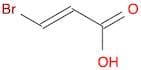
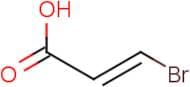
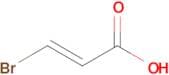
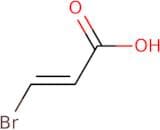
:(2E)-3-Bromo-2-propenoic acid
Description:
(2E)-3-Bromo-2-propenoic acid, also known as 3-bromoacrylic acid, is an organic compound characterized by its unsaturated carboxylic acid structure. It features a double bond between the second and third carbon atoms, with a bromine atom attached to the third carbon. This compound is typically a colorless to pale yellow liquid and is soluble in polar solvents such as water and alcohols due to the presence of the carboxylic acid functional group. Its reactivity is influenced by the presence of both the double bond and the bromine atom, making it a useful intermediate in organic synthesis, particularly in the preparation of various pharmaceuticals and agrochemicals. The compound can undergo typical reactions associated with unsaturated acids, including addition reactions and polymerization. Safety considerations are important when handling this substance, as it may be harmful if inhaled or ingested, and appropriate precautions should be taken to avoid skin and eye contact.
Formula:C3H3BrO2
InChI:InChI=1S/C3H3BrO2/c4-2-1-3(5)6/h1-2H,(H,5,6)/b2-1+
InChI key:InChIKey=POAWTYXNXPEWCO-OWOJBTEDSA-N
SMILES:C(\C(O)=O)=C/Br
Synonyms:- 2-Propenoic acid, 3-bromo-, (2E)-
- Acrylic acid, 3-bromo-, (E)-
- 2-Propenoic acid, 3-bromo-, (E)-
- (2E)-3-Bromo-2-propenoic acid
- Acrylic acid, 3-bromo-, trans-
Sort by
Purity (%)
0
100
|
0
|
50
|
90
|
95
|
100
Found 5 products.
(E)-3-Bromoacrylic Acid
CAS:Controlled ProductApplications (E)-3-Bromoacrylic acid (cas# 6213-89-4) is a useful research chemical.
Formula:C3H3O2BrColor and Shape:NeatMolecular weight:150.96(E)-3-Bromoacrylic acid
CAS:3-Bromoacrylic acid is a chemical that is used for debromination of the antidiabetic drug alloxan. It is also used as an intermediate in the synthesis of a number of pharmaceuticals, including antifungal drugs, and in the manufacture of dyestuffs. 3-Bromoacrylic acid has been shown to be effective in controlling diabetes and lowering blood sugar levels in animals by preventing the release of glucose from the liver and stimulating insulin secretion. This chemical also has anti-inflammatory properties that may be due to its inhibitory effect on prostaglandin synthesis. As a result, 3-bromoacrylic acid has been shown to have beneficial effects on chronic inflammatory diseases such as arthritis.Formula:C3H3BrO2Purity:Min. 95%Molecular weight:150.96 g/mol