CAS 622-42-4
:Phenylnitromethane
Description:
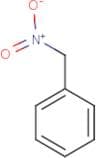
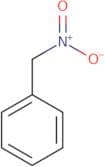
Phenylnitromethane, with the CAS number 622-42-4, is an organic compound characterized by the presence of both a nitro group and a phenyl group attached to a methylene carbon. It typically appears as a yellow to brown liquid and is known for its relatively low volatility. The compound is soluble in organic solvents but has limited solubility in water. Phenylnitromethane is primarily used in the synthesis of various chemical intermediates and can serve as a reagent in organic chemistry. Its nitro group contributes to its reactivity, making it a potential candidate for further chemical transformations, including reduction reactions. Safety considerations are important when handling this compound, as nitro compounds can be hazardous and may pose risks of toxicity and environmental impact. Proper storage and handling protocols should be followed to mitigate these risks. Overall, phenylnitromethane is a valuable compound in the field of organic synthesis, with applications that extend to pharmaceuticals and agrochemicals.
Formula:C7H7NO2
InChI:InChI=1S/C7H7NO2/c9-8(10)6-7-4-2-1-3-5-7/h1-5H,6H2
InChI key:InChIKey=VLZLOWPYUQHHCG-UHFFFAOYSA-N
SMILES:C(N(=O)=O)C1=CC=CC=C1
Synonyms:- (Nitromethyl)benzene
- Nitrophenylmethane
- Nsc 3439
- Phenylnitromethane
- Toluene, a-nitro- (8CI)
- Toluene, α-nitro-
- a-Nitrotoluene
- Benzene, (nitromethyl)-
Sort by
Purity (%)
0
100
|
0
|
50
|
90
|
95
|
100
Found 3 products.
(Nitromethyl)benzene
CAS:(Nitromethyl)benzeneFormula:C7H7NO2Purity:95%Color and Shape: red to brown oilMolecular weight:137.13598g/mol(Nitromethyl)benzene
CAS:Formula:C7H7NO2Purity:95.0%Color and Shape:Liquid, OilMolecular weight:137.138a-Nitrotoluene
CAS:a-Nitrotoluene is a yellow crystalline solid that is soluble in organic solvents. It is used as a precursor to dyes and other chemicals. The chemical has been shown to bind to the DNA of humans, rats, and mice. It also binds to fatty acids and malonic acid, which are important components of cell membranes. a-Nitrotoluene has been shown to induce infectious diseases in animals by inhibiting transcriptional regulation and protein synthesis in rat liver microsomes. In addition, it has been shown to have immunosuppressive properties by inducing nitric oxide synthase and nitrite ion production. These properties may be due to its ability to inhibit the activity of nitroalkanes, including nitrite ion, which can lead to the formation of reactive nitrogen species such as hydroxyl radicals.Formula:C7H7NO2Purity:Min. 95%Color and Shape:PowderMolecular weight:137.14 g/mol