CAS 6232-19-5
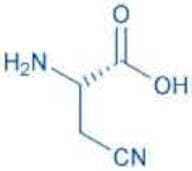
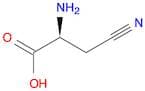
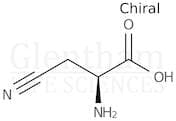
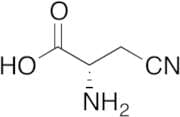
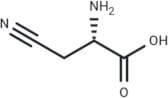
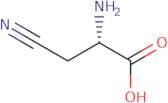
:β-Cyano-L-alanine
- (2S)-2-amino-3-cyanopropanoic acid
- 3-Cyano-<span class="text-smallcaps">L</span>-alanine
- <span class="text-smallcaps">L</span>-2-Amino-3-cyanopropanoic acid
- <span class="text-smallcaps">L</span>-3-Cyanoalanine
- <span class="text-smallcaps">L</span>-Alanine, 3-cyano-
- <span class="text-smallcaps">L</span>-β-Cyanoalanine
- ?-Cyano-L-alanine
- Alanine, 3-cyano-, <span class="text-smallcaps">L</span>-
- H-.beta.-Cyano-Ala-OH
- β-Cyano-<span class="text-smallcaps">L</span>-alanine
- 3-Cyano-L-alanine
- L-Alanine, 3-cyano-
- β-Cyano-L-alanine
- Alanine, 3-cyano-, L-
- See more synonyms
H-β-Cyano-Ala-OH
CAS:Cyanoalanine may serve as an IR-probe in peptides and proteins for studying site-specfic local electrostatic environments and thereby folding and unfolding processes. This neurotoxic amino acid reversibly inactivates pig heart alanine aminotransferase.Formula:C4H6N2O2Purity:> 95%Color and Shape:Light Yellow PowderMolecular weight:114.1β-Cyano-L-alanine
CAS:Formula:C4H6N2O2Purity:≥ 95%Color and Shape:White powderMolecular weight:114.10b-Cyano-L-alanine
CAS:Controlled ProductApplications β-L-cyanoalanine is an amino acid that promotes seed germination in A. albus seeds. Beta-Cyano-L-alanine in the diet of adult locusts causes a decrease in the hemolymph volume thereby affecting water balance responses. L-β-cyanoalanine is an inhibitor of vitamin B6.
References Schlesinger, H. M., et al.: J. Insect Physiol., 22, 1421 (1976); Taylorson, R. B., et al.: Plant Physiology, 52, 23 (1973); Ressler, C., et al.: Biochem. Pharmacol., 16, 2309 (1967)Formula:C4H6N2O2Color and Shape:NeatMolecular weight:114.1β-cyano-L-Alanine
CAS:β-cyano-L-Alanine (Beta-cyano-l-alanine) is a nitrile of widespread occurrence in higher plants.Formula:C4H6N2O2Purity:99.86% - 99.92%Color and Shape:SolidMolecular weight:114.1beta-Cyano-L-alanine
CAS:Beta-cyano-l-alanine is a naturally occurring amino acid that is found in plants. It is synthesized by the enzyme beta-cyanoalanine synthase and is involved in plant metabolism. Beta-cyano-l-alanine is a precursor of the neurotransmitter gamma aminobutyric acid, or GABA, which has been shown to regulate the opening and closing of calcium channels in brain cells. In addition, it has been shown to inhibit enzymes such as phosphofructokinase and pyruvate kinase that are involved in the breakdown of glucose and other nutrients. Beta-cyano-l-alanine has also been shown to inhibit ryanodine receptors and other enzymes involved in muscle contraction. This amino acid can be used as an indicator for tissue culture experiments because it can be detected by sephadex G-100 chromatography.
Formula:C4H6N2O2Purity:Min. 95%Color and Shape:White PowderMolecular weight:114.1 g/molRef: 3D-FC47678
Discontinued product