CAS 625-56-9
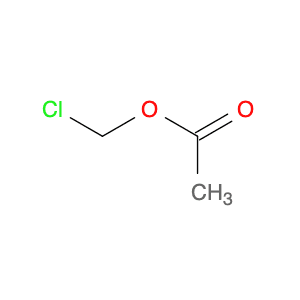
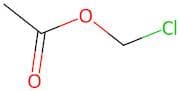
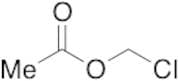
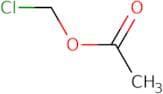
:Chloromethyl acetate
- (Acetyloxy)methyl chloride
- 2-Chloropropanoate
- Acetic acid, chloromethyl ester
- Acetoxymethyl chloride
- Chloromethanol acetate
- Methanol, 1-chloro-, 1-acetate
- Methanol, chloro-, acetate
- Chloromethyl acetate
Chloromethyl Acetate
CAS:Controlled ProductFormula:C3H5ClO2Color and Shape:NeatMolecular weight:108.524Chloromethyl acetate
CAS:Chloromethyl acetate is a potent antibacterial agent that inhibits the growth of bacteria by inhibiting the synthesis of fatty acids. It also has an inhibitory effect on adenosine receptors and is used to treat congestive heart failure, inflammatory diseases, metabolic disorders, and other conditions. Chloromethyl acetate has been shown to be effective against a number of bacterial strains, including methicillin-resistant Staphylococcus aureus (MRSA), Streptococcus pneumoniae, and Mycobacterium tuberculosis. Chloromethyl acetate binds to the cyanoformate group in the bacterial cell wall by competitive inhibition. This binding prevents the formation of an antibiotic-inhibitor complex with the enzyme fatty acid synthase that is required for fatty acid biosynthesis, inhibiting protein synthesis and cell division.
Formula:C3H5ClO2Purity:Min. 95%Molecular weight:108.52 g/mol