CAS 63425-54-7
:3-Chloro-1-methyl-1H-pyrazole
Description:
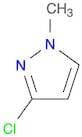
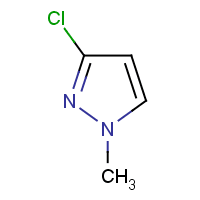
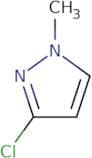
3-Chloro-1-methyl-1H-pyrazole is an organic compound characterized by its pyrazole ring structure, which consists of a five-membered ring containing two adjacent nitrogen atoms. The presence of a chlorine atom at the 3-position and a methyl group at the 1-position contributes to its unique chemical properties. This compound is typically a colorless to pale yellow liquid or solid, depending on its purity and form. It is known for its reactivity, particularly in nucleophilic substitution reactions due to the presence of the chlorine atom, which can be replaced by various nucleophiles. 3-Chloro-1-methyl-1H-pyrazole is often utilized in the synthesis of agrochemicals, pharmaceuticals, and other fine chemicals. Its solubility in organic solvents makes it suitable for various applications in chemical synthesis. Safety considerations should be taken into account when handling this compound, as it may pose health risks if inhaled or ingested. Proper storage and handling protocols are essential to ensure safety in laboratory and industrial settings.
Formula:C4H5ClN2
Synonyms:- 3-Chloro-1-Methylpyrazole
Sort by
Purity (%)
0
100
|
0
|
50
|
90
|
95
|
100
Found 4 products.
3-chloro-1-methyl-1H-pyrazole
CAS:Formula:C4H5ClN2Purity:95%Color and Shape:LiquidMolecular weight:116.54893-Chloro-1-methyl-1H-pyrazole
CAS:3-Chloro-1-methyl-1H-pyrazolePurity:95%Molecular weight:116.55g/mol3-Chloro-1-methyl-1H-pyrazole
CAS:Formula:C4H5ClN2Purity:98%Color and Shape:ClearMolecular weight:116.553-Chloro-1-methyl-1H-pyrazole
CAS:3-Chloro-1-methyl-1H-pyrazole is a regioselective, heterocyclic compound. It is a halovinyl derivative of pyrazole and is used in the synthesis of other heterocycles. 3-Chloro-1-methyl-1H-pyrazole has been found to be an efficient synthetic intermediate for both ketones and pyrazoles. The reaction mechanism for this compound involves an initial alkylation followed by a substitution reaction with the nucleophilic hydroxyl group. The final product is formed via a heterocyclization step involving fragmentation and halogenation.Formula:C4H5ClN2Purity:Min. 95%Molecular weight:116.55 g/mol