CAS 63428-13-7
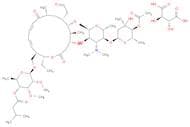
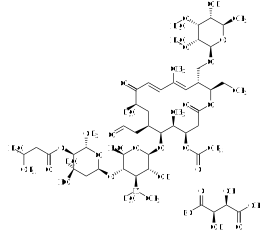
:Acetylisovaleryltylosin Tartrate
Description:
Acetylisovaleryltylosin tartrate is a semi-synthetic antibiotic derived from tylosin, which is produced by the bacterium Streptomyces fradiae. This compound is characterized by its broad-spectrum antibacterial activity, particularly against Gram-positive bacteria. It functions by inhibiting protein synthesis in bacterial cells, making it effective in treating various infections. The tartrate salt form enhances its solubility and stability, facilitating its use in pharmaceutical formulations. Acetylisovaleryltylosin tartrate is often utilized in veterinary medicine, particularly in livestock, to promote growth and prevent disease. Its chemical structure includes an acetyl group and an isovaleryl group, which contribute to its pharmacological properties. Safety and efficacy are critical considerations in its application, and regulatory guidelines govern its use to minimize the risk of antibiotic resistance. As with many antibiotics, potential side effects and interactions with other medications should be monitored. Overall, acetylisovaleryltylosin tartrate represents an important tool in the management of bacterial infections in veterinary contexts.
Formula:C53H87NO19・x(C4H6O6)
Synonyms:- Tylvalosin tartrate
- (4R,5S,6S,7R,9R,11E,13E,15R,16R)-15-(((6-Deoxy-2,3-di-O-methyl-beta-D-allopyranosyl)oxy)methyl)-6-((3,6-dideoxy-4-O-(2,6-dideoxy-3-C-methyl-4-O-(3-methylbutanoyl)-alpha-L-ribo-hexopyranosyl)-3-(dimethylamino)-beta-D-glucopyranosyl)oxy)-16-ethyl- 5,9,13-trimethyl-2,10-dioxo-7-(2-oxoethyl)oxacyclohexadeca-11,13-dien-4-yl acetate (2R,3R)-2,3-dihydroxybutanedioate
- Tylosin, 3-acetate 4B-(3-methylbutanoate), (2R,3R)-2,3-dihydroxybutanedioate salt
- Tylosin 3-acetate 4B-(3-methylbutanoate) (2R,3R)-2,3-dihydroxybutanedioate
Sort by
Purity (%)
0
100
|
0
|
50
|
90
|
95
|
100
Found 5 products.
Acetylisovaleryltylosin Tartrate
CAS:Formula:C56H91NO25Color and Shape:SolidMolecular weight:1178.3134Acetylisovaleryltylosin Tartrate (Tylvalosin Tartrate)
CAS:Formula:C53H87NO19·C4H6O6Molecular weight:1042.27 150.09Tylvalosin tartrate
CAS:Tylvalosin tartrate (Acetylisovaleryltylosin Tartrate) is a macrolide antibiotic that can against Gram-positive bacteria.Formula:C57H93NO25Purity:99.25%Color and Shape:SolidMolecular weight:1192.34Tylvalosin Tartrate (>80%)
CAS:Applications Tylvalosin Tartrate is an impurity of Tylvalosin (T898210); Tylvalosin is an anti-bacterial agent that is shown through study as a good inhibitor of gram-positive bacteria.
References Okamoto, R., et al.: J. Antibio., 32, 542 (1979);Formula:C53H87NO19·C4H6O6Purity:>80%Color and Shape:Off-WhiteMolecular weight:1192.34