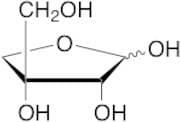
CAS 639-97-4
:D-Apiose
Description:
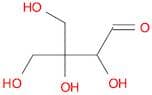
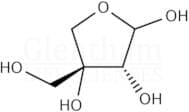
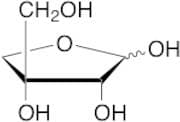
D-Apiose, with the CAS number 639-97-4, is a naturally occurring sugar alcohol that belongs to the class of carbohydrates. It is a pentose sugar, specifically a five-carbon monosaccharide, and is structurally related to other sugars such as ribose and xylose. D-Apiose is characterized by its sweet taste and is often found in various plants, contributing to their flavor profiles. It is soluble in water, which enhances its utility in food and beverage applications. The compound has garnered interest in the fields of nutrition and biochemistry due to its potential health benefits, including its role in metabolic processes. Additionally, D-Apiose can be utilized in the synthesis of other organic compounds, making it valuable in chemical research and industry. Its stability under various conditions and its relatively low caloric content further contribute to its appeal in food science and health-related studies. Overall, D-Apiose is a versatile compound with significant implications in both natural and applied sciences.
Formula:C5H10O5
InChI:InChI=1S/C5H10O5/c6-1-4(9)5(10,2-7)3-8/h1,4,7-10H,2-3H2
InChI key:InChIKey=AVGPOAXYRRIZMM-UHFFFAOYSA-N
SMILES:C(C(C=O)O)(CO)(CO)O
Synonyms:- 3-C-(Hydroxymethyl)-D-erythro-tetrose
- D-Apiose
- Apiose
- Apiose, D-
Sort by
Purity (%)
0
100
|
0
|
50
|
90
|
95
|
100
Found 5 products.
D-Apiose, approx. 0.9M in water
CAS:Formula:C5H10O5Purity:≥ 95.0%Color and Shape:Clear, colourless liquidMolecular weight:150.13D-Apiose (~0.9 M in water)
CAS:Controlled ProductApplications D-Apiose is a naturally occurring branched-chain sugar in parsley and other plant species.
References Thierry, D., et al.: Am. J. Encol. Viticul., 50, 25 (1999); Del, B.G., et al.: Food. Sci. Technol., 48, 215 (2012);Formula:C5H10O5Color and Shape:ColourlessMolecular weight:150.13D-Apiose - Aqueous solution
CAS:D-Apiose is a triterpenoid saponin that is isolated from the bark of the Quillaja saponaria tree. It has been shown to inhibit tumor growth and induce cell death in animal models. D-Apiose is also known to be an inhibitor of sugar transport, hydroxylation, and ribitol dehydrogenase, which are all important cellular processes. This compound induces cell lysis by binding to cellular organelles such as the mitochondria and endoplasmic reticulum. Cell lysis leads to the release of intracellular contents into the extracellular environment, which can have potent antitumor activity. The hydroxyl group on D-Apiose allows it to react with ribitol dehydrogenase, which catalyzes a reaction involving the conversion of ribitol into 2-deoxyribose 5-phosphate. The ultimate product of this reaction is galacturonic acid, which may have anti-Formula:C5H10O5Purity:Min. 95%Color and Shape:Clear LiquidMolecular weight:150.13 g/mol