CAS 643-12-9
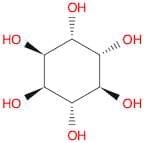
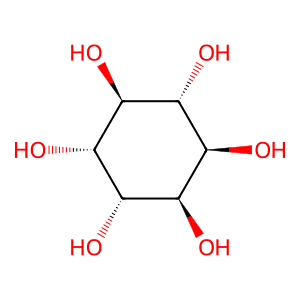
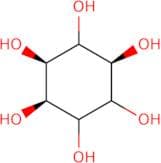
:D-chiro-Inositol
- (+)-chiro-Inositol
- (1R,2R,3S,4S,5S,6S)-cyclohexane-1,2,3,4,5,6-hexol
- 1D-chiro-inositol
- <span class="text-smallcaps">D</span>-(+)-chiro-Inositol
- <span class="text-smallcaps">D</span>-Inositol
- Inositol, <span class="text-smallcaps">D</span>-chiro-
- D-(+)-chiro-Inositol
- Inositol, D-chiro-
- D-Inositol
- D-chiro-Inositol
- 1,2,4/3,5,6-hexahydroxycyclohexane
- (1R)-Cyclohexane-1r,2c,3t,4c,5t,6t-hexaol
- D-(+)-CHIRO-INOSITOL, 95% (96% EE/GLC)
- See more synonyms
D-chiro-Inositol
CAS:Sterols and inositolsFormula:C6H12O6Color and Shape:White Crystalline PowderMolecular weight:180.06339(1R,2R,3S,4S,5S,6S)-Cyclohexane-1,2,3,4,5,6-hexaol
CAS:Formula:C6H12O6Purity:98%Color and Shape:SolidMolecular weight:180.15591D-chiro-Inositol
CAS:Formula:C6H12O6Purity:≥ 98.0%Color and Shape:White or almost white powderMolecular weight:180.16D-chiro-Inositol
CAS:D-chiro-Inositol is a myo-inositol epimer in mammal protein anchors with insulin-like effects.Formula:C6H12O6Purity:99.76%Color and Shape:SolidMolecular weight:180.16D-chiro-inositol
CAS:Applications D-chiro Inositol (cas# 643-12-9) is a compound useful in organic synthesis.
Formula:C6H12O6Color and Shape:NeatMolecular weight:180.16D-(+)-chiro-Inositol
CAS:D-(+)-chiro-Inositol is a stereoisomer of inositol, which is a type of sugar alcohol and a member of the vitamin B complex. It is derived from natural sources, such as fruits, beans, grains, and nuts, and is typically isolated through biochemical extraction processes. The compound acts primarily by influencing insulin signaling pathways. It functions as a secondary messenger in the phosphatidylinositol cycle, thereby playing a critical role in cellular processes including glucogenesis and lipid metabolism.
Formula:C6H12O6Molecular weight:180.16 g/molRef: 3D-W-203392
-Unit-ggTo inquire25gTo inquire50gTo inquire100gTo inquire250gTo inquire500gTo inquire1D-chiro-Inositol
CAS:1D-chiro-Inositol is a naturally occurring isomer of inositol, a carbohydrate, which is sourced from various plants and animal tissues. This compound functions predominantly as a secondary messenger in insulin signaling pathways, contributing to the regulation of glucose metabolism. Its mode of action involves the facilitation of insulin sensitivity, enabling efficient cellular uptake of glucose and modulating various insulin-dependent processes.
Formula:C6H12O6Purity:Min. 98 Area-%Color and Shape:White Off-White PowderMolecular weight:180.16 g/mol