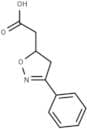
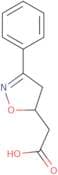
CAS 6501-72-0
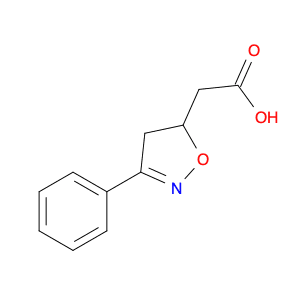
:VGX-1027
Description:
VGX-1027, with the CAS number 6501-72-0, is a synthetic peptide that has been investigated primarily for its potential therapeutic applications, particularly in the context of autoimmune diseases and inflammation. It is a derivative of the immunomodulatory peptide sequence and is designed to modulate immune responses. VGX-1027 is characterized by its ability to enhance the activity of regulatory T cells while suppressing pro-inflammatory cytokines, which may help in restoring immune balance. The substance is typically administered via injection and has been studied in various preclinical and clinical settings. Its safety profile and efficacy are subjects of ongoing research, with a focus on its potential to treat conditions such as multiple sclerosis and other inflammatory disorders. As with many investigational compounds, the specific pharmacokinetics, mechanism of action, and long-term effects are still being elucidated through clinical trials.
Sort by
Purity (%)
0
100
|
0
|
50
|
90
|
95
|
100
Found 7 products.
4,5-Dihydro-3-phenyl-5-isoxazoleaceticacid
CAS:Formula:C11H11NO3Purity:98%Color and Shape:SolidMolecular weight:205.2099VGX-1027
CAS:Formula:C11H11NO3Purity:>98.0%(HPLC)Color and Shape:White to Orange to Green powder to crystalMolecular weight:205.21VGX-1027
CAS:VGX-1027 (GIT 27) is an isoxazole compound with various immunomodulatory properties.Formula:C11H11NO3Purity:99.54% - 99.86%Color and Shape:SolidMolecular weight:205.212-(3-Phenyl-4,5-dihydroisoxazol-5-yl)acetic Acid
CAS:2-(3-Phenyl-4,5-dihydroisoxazol-5-yl)acetic Acid is a reactive compound that has been shown to be cytotoxic and induce apoptosis in mouse melanoma cells. The setup for this study was a section of the colon from mice with inflammatory bowel disease. 2-(3-Phenyl-4,5-dihydroisoxazol-5-yl)acetic Acid induces apoptosis by inhibiting protein synthesis, which leads to cell death. 2-(3-Phenyl-4,5-dihydroisoxazol-5-yl)acetic Acid is also an antiinflammatory drug that inhibits prostaglandin synthesis by blocking cyclooxygenase and lipoxygenase pathways. It has been shown to be effective in vivo treatment for bowel disease in mice.Formula:C11H11NO3Purity:Min. 95%Molecular weight:205.21 g/mol