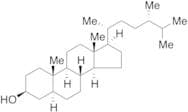
CAS 6538-02-9
:(3beta,5alpha)-ergostan-3-ol
- (3b,5a)-Ergostan-3-ol
- 5alpha-Ergostan-3beta-ol
- 6538-02-9
- Ergostan-3-Ol, (3Beta,5Alpha)-
- (3beta,5alpha)-Ergostan-3-ol
(24S)-Campestanol
CAS:Controlled ProductApplications A phytosterol content in plant food which showed hypocholesterolemic and hypotriglyceridemic effects in hypercholesterolemic overweight volunteers. Used in the treatment of metabolic disorders.
References Kasamo, K., et al.: Plant Physiol., 93, 1049 (1990), Davey, M., et al.: J. Sci. Food Agric., 80, 825 (2000), Nomura, T., et al.: J. Biol. Chem., 280, 17873 (2005), Matos, L., et al.: Food Chem., 102, 406 (2007),Formula:C28H50OColor and Shape:NeatMolecular weight:402.7Ergostanol
CAS:Controlled ProductErgostanol is a fungal biomass that is used as a dietary supplement and functional sweetener. It is produced by the fungus Aspergillus niger in the form of micron-sized particles. Ergostanol inhibits cholesterol synthesis by suppressing 3-hydroxy-3-methylglutaryl coenzyme A reductase (HMGCR) activity, which is an enzyme that catalyzes the conversion of HMGCR to mevalonate. Ergostanol has also been shown to inhibit fatty acid synthesis, reducing the production of fatty acids and triglycerides. This inhibition may be due to its ability to bind with hydroxyl groups on fatty acids, causing a decrease in their concentrations.
Formula:C28H50OPurity:95%MinColor and Shape:PowderMolecular weight:402.7 g/mol