CAS 6560-83-4
:2-iodoquinoline
Description:
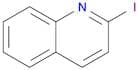
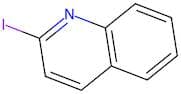
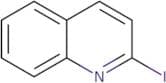
2-Iodoquinoline is an organic compound characterized by the presence of an iodine atom at the second position of the quinoline ring system. Its molecular formula is C9H6N I, indicating that it consists of nine carbon atoms, six hydrogen atoms, one nitrogen atom, and one iodine atom. This compound typically appears as a yellow to brown solid and is known for its aromatic properties due to the conjugated system of the quinoline structure. 2-Iodoquinoline is often utilized in organic synthesis, particularly in the development of pharmaceuticals and agrochemicals, owing to its reactivity and ability to participate in various chemical reactions, such as nucleophilic substitutions and coupling reactions. Additionally, it may exhibit biological activity, making it of interest in medicinal chemistry. As with many halogenated compounds, it is important to handle 2-iodoquinoline with care due to potential toxicity and environmental concerns associated with iodine-containing substances.
Formula:C9H6IN
InChI:InChI=1/C9H6IN/c10-9-6-5-7-3-1-2-4-8(7)11-9/h1-6H
InChI key:InChIKey=FRWYFWZENXDZMU-UHFFFAOYSA-N
SMILES:IC1=NC2=C(C=C1)C=CC=C2
Synonyms:- NSC 56811
- Quinoline, 2-Iodo-
- 2-Iodoquinoline
- 2-iodo-quinolin
Sort by
Purity (%)
0
100
|
0
|
50
|
90
|
95
|
100
Found 4 products.
2-Iodoquinoline
CAS:2-Iodoquinoline is a quinoline derivative that has been shown to be a potent inhibitor of the uptake of amyloid protein in vitro. 2-Iodoquinoline is also able to inhibit the growth of cancer cells and induce apoptosis. The mechanism by which 2-Iodoquinoline inhibits tumor cell growth may be due to its ability to activate epidermal growth factor receptor (EGFR). This compound has also been shown to stimulate epidermal growth through the activation of EGFR and other signaling pathways, such as phosphatidylinositol 3 kinase (PI3K) and mitogen-activated protein kinase (MAPK).
Formula:C9H6INPurity:Min. 95%Molecular weight:255.06 g/molRef: 3D-GAA56083
Discontinued product