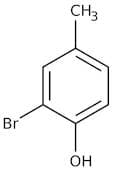
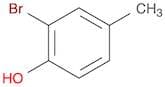
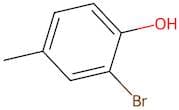
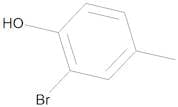
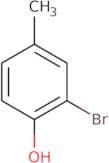
CAS 6627-55-0
:2-Bromo-4-methylphenol
- 2-Bromo-4-cresol
- 2-Bromo-p-cresol
- 2-Bromo-p-cresol (OH=1)
- 3-Bromo-4-Hydroxytoluene
- NSC 60115
- Phenol, 2-bromo-4-methyl-
- p-Cresol, 2-bromo-
- 2-Bromo-4-methylphenol
2-Bromo-4-methylphenol, 97%
CAS:It is applied as a compound responsible for iodine off-flavor in wines. This Thermo Scientific Chemicals brand product was originally part of the Alfa Aesar product portfolio. Some documentation and label information may refer to the legacy brand. The original Alfa Aesar product / item code or SKU rFormula:C7H7BrOPurity:97%Color and Shape:Liquid, Clear colorless to yellowMolecular weight:187.04Ref: IN-DA003GON
5g21.00€10g25.00€1kg271.00€25g28.00€50g53.00€5kgTo inquire100g62.00€10kgTo inquire250g120.00€25kgTo inquire500g208.00€2-Bromo-4-methylphenol
CAS:2-Bromo-4-methylphenolFormula:C7H7BrOPurity:97%Color and Shape: clear. almost colourless liquidMolecular weight:187.03g/mol2-Bromo-p-cresol
CAS:Formula:C7H7BrOPurity:>98.0%(GC)Color and Shape:White or Colorless to Light yellow powder to lump to clear liquidMolecular weight:187.042-Bromo-4-methylphenol
CAS:Controlled ProductApplications 2-Bromo-4-methylphenol is a useful synthetic intermediate. It was used in the synthesis of furan-2-ylmethylene thiazolidinediones as potent, and selective inhibitors of phosphoinositide 3-kinase γ. It was also a reactant used to prepare phosphoramidate and phosphorothioamidate analogs of amiprophos Me as potential antimalarial agents.
References Pomel, V., et al.: J. Med. Chem., 49, 3857 (2006); Mara, C., et al.: Bioorg. Med. Chem. Lett., 21, 6180 (2011)Formula:C7H7BrOColor and Shape:NeatMolecular weight:187.032-Bromo-4-methylphenol
CAS:2-Bromo-4-methylphenol is an organic compound that has interactive effects with hydrochloric acid, molybdenum, and trifluoromethanesulfonic acid. It is soluble in water vapor, but insoluble in polyvinyl. 2-Bromo-4-methylphenol reacts with sodium hydroxide solution to form a hydroxide solution and sodium carbonate. The reaction product of 2-bromo-4-methylphenol with triterpenoid saponin produces fatty acids. This reaction occurs because the hydroxide ion from the sodium hydroxide solution attacks the ester group of the saponin, forming an alcohol group on one end and a carboxylic acid group on the other end. The benzyl groups are removed by hydrogenation to produce phenol.
Formula:C7H7BrOPurity:Min. 95%Molecular weight:187.03 g/mol