CAS 675-21-8
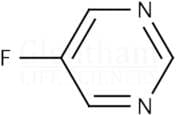
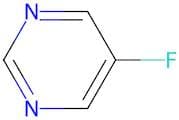
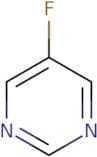
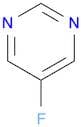
:5-Fluoropyrimidine
Description:
5-Fluoropyrimidine is a heterocyclic organic compound characterized by a pyrimidine ring with a fluorine atom substituted at the 5-position. Its molecular formula is C4H4FN2, and it has a molecular weight of approximately 100.08 g/mol. This compound is typically a colorless to pale yellow liquid or solid, depending on its form and purity. 5-Fluoropyrimidine is known for its role as an intermediate in the synthesis of various pharmaceuticals, particularly in the development of antiviral and anticancer agents. It exhibits properties typical of fluorinated compounds, such as increased lipophilicity and altered reactivity due to the presence of the electronegative fluorine atom. The compound is also of interest in biochemical research, particularly in studies related to nucleic acid metabolism and the inhibition of certain enzymes. Safety precautions should be taken when handling 5-Fluoropyrimidine, as it may pose health risks, including toxicity and potential carcinogenic effects.
Formula:C4H3FN2
InChI:InChI=1/C4H3FN2/c5-4-1-6-3-7-2-4/h1-3H
SMILES:c1c(cncn1)F
Synonyms:- Pyrimidine, 5-fluoro-
- 5-FLUOROPYRIMIDINE
- Pyrimidine, 5-fluoro-(6CI,8CI,9CI)
Sort by
Purity (%)
0
100
|
0
|
50
|
90
|
95
|
100
Found 5 products.
5-Fluoropyrimidine HCl
CAS:5-Fluoropyrimidine HCl is a synthetic chemical that is used in the synthesis of other drugs. The compound has been shown to inhibit tumor cell growth and angiogenesis. It binds to the amine group of proteins, which prevents their transport and leads to a decrease in amino acid uptake. 5-Fluoropyrimidine HCl also inhibits glycosidic bond formation, thereby inhibiting the synthesis of uridine and other important molecules. This drug is an inhibitor of several enzymes such as RNA polymerase II, DNA polymerase III, and RNA-dependent protein kinase (PKR). These enzymes are essential for the replication of viral nucleic acids. 5-Fluoropyrimidine HCl has been shown to be active against a variety of viruses including HIV-1 and herpes simplex virus type 1 (HSV-1) in biochemical assays, but it cannot be used as a potential biomarker for these diseases due to its lack ofFormula:C4H3FN2Purity:Min. 95%Molecular weight:98.08 g/molRef: IN-DA00603R
Discontinued product