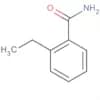
CAS 67832-97-7
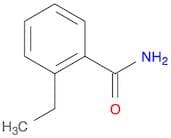
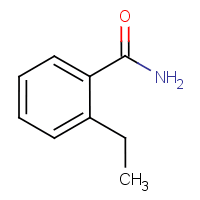
:Benzamide, 2-ethyl-
Description:
Benzamide, 2-ethyl- is an organic compound characterized by the presence of a benzene ring attached to an amide functional group, with an ethyl group positioned at the second carbon of the benzene ring. This compound typically appears as a colorless to pale yellow solid or liquid, depending on its purity and specific conditions. It is soluble in organic solvents but has limited solubility in water due to its hydrophobic benzene ring. The presence of the amide group imparts certain polar characteristics, allowing for potential hydrogen bonding interactions. Benzamide derivatives, including 2-ethyl-benzamide, are often studied for their biological activity and can serve as intermediates in the synthesis of pharmaceuticals and agrochemicals. The compound may exhibit various chemical reactivities, including nucleophilic substitution and acylation reactions, making it valuable in organic synthesis. Safety data should be consulted for handling and exposure guidelines, as with any chemical substance.
Formula:C9H11NO
Sort by
Purity (%)
0
100
|
0
|
50
|
90
|
95
|
100
Found 5 products.
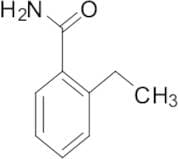
2-ethylbenzamide
CAS:Controlled ProductApplications 2-ethylbenzamide (cas# 67832-97-7) is a useful research chemical.
Formula:C9H11NOColor and Shape:NeatMolecular weight:149.192-Ethylbenzamide
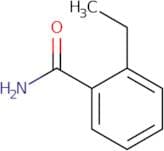
CAS:2-Ethylbenzamide is a synthetic, catalytic intramolecular reaction. The product of this reaction is an amide and benzamide which are two important classes of organic compounds. The mechanism of this reaction is that the intramolecular addition of 2-ethylbenzoyl chloride to the nitrobenzene in the presence of base yields the desired product. This reaction is catalyzed by lithium metal, which activates the nitro group and provides a strong electrophile for nucleophilic attack. It has been shown that mechanistic control experiments show that there is no difference in reactivity between electron-rich and electron-poor alkyl groups in benzonitriles or amidoximes. In asymmetric synthesis, it has been shown that lithiation followed by amidoxime formation with chiral diamine ligands leads to high enantioselectivity.Formula:C9H11NOPurity:Min. 95%Molecular weight:149.19 g/mol