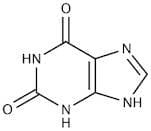
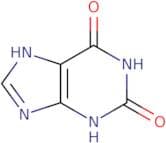
CAS 69-89-6
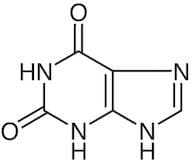
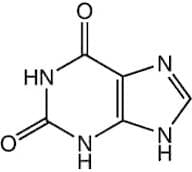
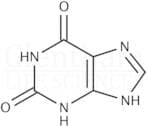
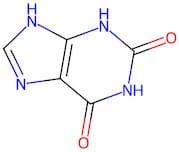
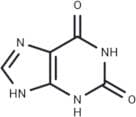
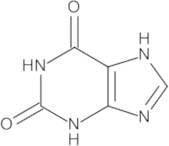
:Xanthine
- 1H,3H,7H-Xanthine
- 1H,3H,9H-Xanthine
- 1H-Purine-2,6(3H,7H)-dione
- 1H-Purine-2,6-diol
- 1H-Purine-2,6-dione, 3,7-dihydro-
- 1H-Purine-2,6-dione, 3,9-dihydro-
- 1H-purine-2,6-dione
- 2,3,6,9-Tetrahydro-1H-purine-2,6-dione
- 2,6-Dihydroxy purine
- 2,6-Dihydroxypurine
- 2,6-Dioxo-1,2,3,6-tetrahydropurine
- 2,6-Dioxopurine
- 2-Hydroxy-6,7-dihydro-1H-purin-6-one
- 2-Hydroxy-6,9-dihydro-1H-purin-6-one
- 3,5-dihydro-1H-purine-2,6-dione
- 3,7-Dihydro-1H-purine-2,6-dione;2,6-(1H,3H)-purinedione, Xanthine
- 3,7-Dihydropurine-2,6-dione
- 3,7-dihydro-1H-purine-2,6-dione
- 3,9-Dihydro-1H-purine-2,6-dione
- 3,9-Dihydropurine-2,6-dione
- 9H-Purine-2,6(1H,3H)-dione
- Isoxanthine
- Nsc 14664
- Pseudoxanthine
- Purin-2(3H),6(1H)-dion
- Purine-2,6(1H,3H)-dione
- Xan
- Xanthic oxide
- Xanthin
- Xanthine 99-100%
- Xanthine Sigmaultra
- purina-2(3H),6(1H)-diona
- purine-2(3H),6(1H)-dione
- Xanthine
- 3,7-dihydro-1h-purine-6-dione
- TIMTEC-BB SBB004054
- UREOUS ACID
- 2,6-Dixoxpurine
- 6-dione,3,7-dihydro-1H-Purine-2
- 9H-PURINE-2,6-DIOL
- 2,6(1,3)-Purinedion
- 2,6-DIOXYPURINE
- See more synonyms
Xanthine
CAS:Formula:C5H4N4O2Purity:>98.0%(HPLC)Color and Shape:White to Yellow to Orange powder to crystalMolecular weight:152.11Xanthine, 99%
CAS:Xanthine and xanthine oxidase system can be used to produce superoxide radicals. This Thermo Scientific Chemicals brand product was originally part of the Alfa Aesar product portfolio. Some documentation and label information may refer to the legacy brand. The original Alfa Aesar product / item codeFormula:C5H4N4O2Purity:99%Color and Shape:Powder, White to pale creamMolecular weight:152.112,3,6,9-tetrahydro-1H-purine-2,6-dione
CAS:Formula:C5H4N4O2Purity:95%Color and Shape:SolidMolecular weight:152.1109Xanthine
CAS:Formula:C5H4N4O2Purity:98.0 - 102.0 %Color and Shape:White to pale yellow powderMolecular weight:152.11Xanthine
CAS:XanthineFormula:C5H4N4O2Purity:98%Color and Shape: white to yellow solidMolecular weight:152.11085g/molXanthine
CAS:Xanthine, a purine breakdown product, is turned into uric acid by xanthine oxidase and blocks adenosine receptors.Formula:C5H4N4O2Purity:99.03% - 99.36%Color and Shape:SolidMolecular weight:152.11Xanthine
CAS:Applications Found in animal organs, yeast, patatoes, coffee beans, tea. This drug can be used to relax and widen certain breathing passages of the lungs. It is also found that a large number of derivatives have adenoside receptor antagonist properties.
References Mueller, C. et. al: Handbook Exp. Pharmacol. 200,151(2011)Formula:C5H4N4O2Color and Shape:White SolidMolecular weight:152.111H-Purine-2,6(3H,7H)-dione
CAS:Formula:C5H4N4O2Purity:95%Color and Shape:Crystalline PowderMolecular weight:152.113Xanthine extrapure CHR, 99%
CAS:Formula:C5H4N4O2Purity:min. 99.0%Color and Shape:White to off-white, Powder, Clear, ColourlessMolecular weight:152.11Xanthine
CAS:Xanthine is a reactive, oxidized form of purine. It is found in the human body as a product of xanthine oxidase (XO) metabolism of xanthine and hypoxanthine. Xanthine is known to have antioxidant properties and has been shown to inhibit the activity of xanthine oxidase in vitro. Xanthine, when combined with other anticancer drugs such as doxorubicin, can be used as an anticancer agent. This drug has been shown to cause oxidative injury in humans and animal models at physiological levels.
Formula:C5H4N4O2Purity:Min. 98 Area-%Color and Shape:Off-White PowderMolecular weight:152.11 g/molRef: 3D-FX01318
Discontinued product