CAS 6982-09-8
:4-Hexadecene-1,3-diol, 2-amino-, (2S,3R,4E)-
Description:
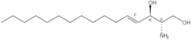
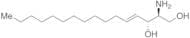
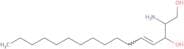
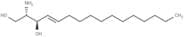
4-Hexadecene-1,3-diol, 2-amino-, (2S,3R,4E)-, with the CAS number 6982-09-8, is an organic compound characterized by its long hydrocarbon chain and the presence of both hydroxyl (-OH) and amino (-NH2) functional groups. This compound features a double bond in its carbon chain, specifically at the 4-position, which contributes to its unsaturation. The stereochemistry indicated by (2S,3R,4E) suggests specific spatial arrangements of the substituents around the chiral centers, influencing its reactivity and interactions. The presence of hydroxyl groups typically enhances solubility in polar solvents and can participate in hydrogen bonding, while the amino group may impart basicity and reactivity in various chemical reactions. This compound may find applications in fields such as biochemistry, pharmaceuticals, or materials science, where its unique functional groups can be utilized for synthesis or as intermediates in chemical processes. Overall, its structural features suggest potential versatility in chemical reactivity and applications.
Formula:C16H33NO2
Sort by
Purity (%)
0
100
|
0
|
50
|
90
|
95
|
100
Found 4 products.
C16-D-erythro-Sphingosine
CAS:Formula:C16H33NO2Purity:>98%Color and Shape:SolidMolecular weight:271.44c16-Sphingosine
CAS:Sphingosine is a long-chain fatty acid that is naturally found in the human body. It has been shown to have a role in regulating cellular metabolism and apoptosis, as well as inflammatory responses. Sphingosine is metabolized through the action of hydrochloric acid and hydrogen chloride to form sphinganine, which can then be converted into other metabolites. The metabolism of sphingosine is an important factor for determining its effects on the body. Chronic exposure to sphingosine may result in an accumulation of metabolites in the body, which may lead to metabolic profiles that are similar to those seen in various diseases such as cancer and inflammatory diseases.Formula:C16H33NO2Purity:Min. 95%Molecular weight:271.44 g/molSphingosine (d16:1)
CAS:Sphingosine (d16:1), an unconventional sphingolipid, is synthesized through enzymatic reactions starting with the condensation of myristoyl-CoA and serine by serine palmitoyltransferase long-chain base subunit 3 (SPTLC3), which shows a preference for myristoyl-CoA. This compound is found in minute quantities in its free form in human plasma and as a component of various plasma sphingolipids, such as sphingosine-1-phosphate, ceramides, sphingomyelins, and in brain cerebrosides, albeit at lower concentrations than the more common d18:1 sphingoid base. Sphingosine (d16:1) acts as an inhibitor of PKC in mixed micelle assays and diminishes superoxide production triggered by phorbol 12-myristate 13-acetate in isolated human neutrophils, as well as inhibiting the growth of CHO cells with IC50 values of 1 and 3.2 µM, respectively. Additionally, the concentration of sphingolipids containing sphingosine (d16:1) in the plasma is linked to the dietary consumption of saturated fatty acids and protein among ethnic Chinese populations.Formula:C16H33NO2Color and Shape:SolidMolecular weight:271.4