CAS 6996-81-2
:O,O'-diethyl methylphosphonothioate
Description:
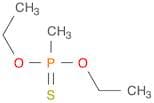
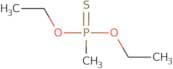
O,O'-Diethyl methylphosphonothioate, commonly known as a chemical warfare agent, is an organophosphorus compound characterized by its phosphonothioate structure. It features a phosphorus atom bonded to two ethyl groups, a methyl group, and a thiol group, which contributes to its toxicity. This compound is a colorless to yellowish liquid with a faint odor, and it is soluble in organic solvents but has limited solubility in water. Its primary mechanism of action involves the inhibition of acetylcholinesterase, an enzyme crucial for the breakdown of the neurotransmitter acetylcholine, leading to overstimulation of the nervous system. Due to its high toxicity, O,O'-diethyl methylphosphonothioate poses significant health risks, including respiratory failure and potential long-term neurological effects upon exposure. It is classified as a potential chemical warfare agent and is subject to strict regulations under international treaties. Proper handling and disposal are essential to mitigate its hazardous effects on human health and the environment.
Formula:C5H13O2PS
InChI:InChI=1/C5H13O2PS/c1-4-6-8(3,9)7-5-2/h4-5H2,1-3H3
SMILES:CCOP(=S)(C)OCC
Synonyms:- O,O-diethyl methylphosphonothioate
Sort by
Purity (%)
0
100
|
0
|
50
|
90
|
95
|
100
Found 2 products.
O,O′-Diethyl methylphosphonothioate
CAS:Formula:C5H13O2PSPurity:95%Color and Shape:LiquidMolecular weight:168.1943Diethoxy-Methyl-Thioxo-Phosphorane
CAS:Controlled ProductDiethoxy-methyl-thioxo-phosphorane is a chemical compound that is used in the manufacture of industrial chemicals. It has a vapor pressure of 0.0014 mmHg at 25°C, and can be quantified by chemical ionization with gas chromatography/mass spectrometry. Diethoxy-methyl-thioxo-phosphorane reacts with radiation to produce reactive oxygen species and other free radicals, which can damage DNA and cause cancer. The reaction rate is rapid, with an analogy to humans being exposed to nitrate compounds. Diethoxy-methyl-thioxo-phosphorane is also used in devices such as radiators and heaters, where it causes damage when combined with nitrates.
Formula:C5H13O2PSPurity:Min. 95%Molecular weight:168.2 g/molRef: 3D-FD58753
Discontinued product