CAS 70932-63-7
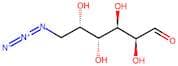
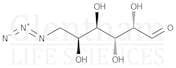
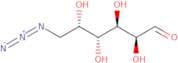
:6-Azido-6-deoxy-L-galactose
Description:
6-Azido-6-deoxy-L-galactose is a monosaccharide derivative characterized by the presence of an azido group (-N3) at the 6-position of the galactose molecule, which is a six-carbon sugar. This compound is notable for its potential applications in biochemistry and medicinal chemistry, particularly in the development of glycosylation reactions and as a building block for glycoproteins. The azido group is a versatile functional group that can participate in various chemical reactions, including click chemistry, allowing for the introduction of other functional groups or labels. The presence of the deoxy group indicates that the hydroxyl group at the 6-position has been replaced by the azido group, which alters the reactivity and properties of the sugar. 6-Azido-6-deoxy-L-galactose is typically used in research settings, particularly in studies involving carbohydrate chemistry and the synthesis of complex carbohydrates. Its unique structure makes it a valuable tool for probing biological processes and for the development of new therapeutic agents.
Formula:C6H11N3O5
Synonyms:- 6-Azido-6-deoxy-L-galactose
- 6-Azido-6-deoxy-L-galactose, Min. 98%
- 6-Azido-L-fucose
- 6-azido-6-deoxy-L-galatose
Sort by
Purity (%)
0
100
|
0
|
50
|
90
|
95
|
100
Found 3 products.
6-Azido-L-fucose
CAS:Formula:C6H11N3O5Purity:(NMR) ≥ 98.0%Color and Shape:White to off-white crystalline powder or solidMolecular weight:205.176-Azido-6-deoxy-L-galactose
CAS:6-Azido-6-deoxy-L-galactose is an analog of the natural L-galactose. It has been shown to inhibit the growth and survival of a number of human pathogens, including those that cause tuberculosis, staphylococcal infections, and meningitis. 6-Azido-6-deoxygalactose is reactive with cellular structures and glycoconjugates, which may have contributed to its antimicrobial activity in tissue culture. 6A6DG blocks fatty acid synthesis by inhibiting enzymes called acyltransferases. It also inhibits glycolysis by interfering with the conversion of glucose into glycogen through inhibition of glycogen synthase kinase 3β (GSK3β), which leads to decreased levels of ATP in cells. This compound also inhibits glutaminase activity in the brain, leading to impaired neurotransmitter release and subsequent neuronal cell death.Formula:C6H11N3O5Purity:Min. 95%Color and Shape:White PowderMolecular weight:205.17 g/mol