CAS 71205-17-9
:(E)-METHYL 3-(4-BROMOPHENYL)ACRYLATE
Description:
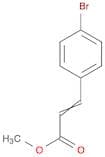
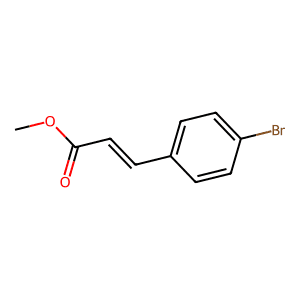
(E)-Methyl 3-(4-bromophenyl)acrylate is an organic compound characterized by its acrylate structure, which features a double bond between the carbon atoms in the acrylate moiety. The presence of the 4-bromophenyl group indicates that a bromine atom is substituted on the phenyl ring, which can influence the compound's reactivity and physical properties. This compound typically appears as a colorless to pale yellow liquid and has a distinctive aromatic odor. It is soluble in organic solvents such as ethanol and acetone but has limited solubility in water due to its hydrophobic nature. The compound is often used in organic synthesis and polymer chemistry, particularly in the production of specialty polymers and as an intermediate in the synthesis of various pharmaceuticals and agrochemicals. Safety precautions should be observed when handling this compound, as it may pose health risks, including skin and eye irritation. Proper storage in a cool, dry place away from light is recommended to maintain its stability.
- Specs Ab-131/40027014
- Methyl (E)-3-(4-Bromophenyl)-2-Propenoate
Sort by
Purity (%)
0
100
|
0
|
50
|
90
|
95
|
100
Found 4 products.
(E)-Methyl 3-(4-bromophenyl)acrylate
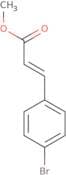
CAS:Formula:C10H9BrO2Purity:95%Color and Shape:SolidMolecular weight:241.0813Methyl trans-4-bromocinnamate
CAS:Methyl trans-4-bromocinnamateFormula:C10H9BrO2Purity:98%Color and Shape: white solidMolecular weight:241.08g/mol(E)-Methyl 3-(4-bromophenyl)acrylate
CAS:(E)-Methyl 3-(4-bromophenyl)acrylate is an isoenzyme that belongs to the group of cinnamic acid derivatives. It has been shown to induce apoptotic cell death in human ovarian carcinoma cells. This compound inhibits the production of histones and DNA, which may lead to the inhibition of transcription and replication of mRNA. (E)-Methyl 3-(4-bromophenyl)acrylate also induces modifications in proteins, such as acetylation, which may account for its apoptotic effects. Research has shown that (E)-methyl 3-(4-bromophenyl)acrylate has equitoxic effects on aryl halides and aryl chlorides.Formula:C10H9BrO2Purity:Min. 95%Molecular weight:241.08 g/mol