CAS 73-31-4
:Melatonin
Description:
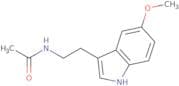
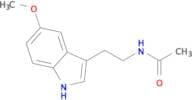
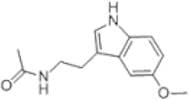
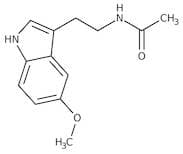
Melatonin, with the CAS number 73-31-4, is a naturally occurring hormone primarily produced by the pineal gland in the brain. It plays a crucial role in regulating circadian rhythms and sleep-wake cycles. Chemically, melatonin is known as N-acetyl-5-methoxytryptamine, and its molecular formula is C13H16N2O2. It is a small, lipophilic molecule, which allows it to easily cross cell membranes and the blood-brain barrier. Melatonin exhibits antioxidant properties and has been studied for its potential therapeutic effects in sleep disorders, jet lag, and various health conditions related to circadian rhythm disruptions. In terms of physical characteristics, melatonin is typically a white to off-white crystalline powder, soluble in organic solvents like ethanol and dimethyl sulfoxide, but less soluble in water. Its stability can be affected by light and temperature, necessitating careful storage conditions. Overall, melatonin is a significant compound in both biological and pharmacological contexts, with ongoing research into its broader health implications.
Formula:C13H16N2O2
InChI:InChI=1S/C13H16N2O2/c1-9(16)14-6-5-10-8-15-13-4-3-11(17-2)7-12(10)13/h3-4,7-8,15H,5-6H2,1-2H3,(H,14,16)
InChI key:InChIKey=DRLFMBDRBRZALE-UHFFFAOYSA-N
SMILES:C(CNC(C)=O)C=1C=2C(NC1)=CC=C(OC)C2
Synonyms:- 3-(2-Acetamidoethyl)-5-methoxyindole
- 3-N-Acetyl-5-methoxyl tryptamine
- 5-Methoxy-N-acetyltryptamine
- Acetamide, N-(2-(5-methoxyindol-3-yl)ethyl)-
- Acetamide, N-[2-(5-methoxy-1H-indol-3-yl)ethyl]-
- Circadin
- L-Arabinitol
- Melatol
- Melatonin
- Melaxen
- Melovine
- N-(2-(5-Methoxyindol-3-yl)ethyl)acetamid
- N-(2-(5-methoxyindol-3-yl)ethyl)acetamide
- N-(2-(5-methoxyindole-3-yl)ethyl)acetamide
- N-(2-(5-metoxiindol-3-il)etil)acetamida
- N-Acetyl-5-methoxytryptamine
- N-[2-(5-Methoxy-1H-indol-3-yl)ethyl]acetamide
- Nsc 113928
- Nsc 56423
- Regulin
- Slenyto
- See more synonyms
Sort by
Purity (%)
0
100
|
0
|
50
|
90
|
95
|
100
Melatonin - Bio-X ™
CAS:<p>Melatonin is a neurotransmitter produced by the pineal gland that is involved in the regulation of sleep-wake cycles. It can be used to treat several conditions like shift work disorders, insomnia, jet lag, and alterations of the circadian rhythm. Some authors also proposed the use of melatonin against cognitive disorders. In an interesting research conducted on zebrafish, it was found that memory formation occurs better during daytime compared to nighttime, suggesting a role of melatonin in this process. When melatonin was administered during the daytime it caused reduced memory formation. On the contrary, removing the pineal gland or treating the fish with a melatonin antagonist significantly improves nighttime memory formation.</p>Formula:C13H16N2O2Purity:Min. 95%Color and Shape:PowderMolecular weight:232.28 g/molMelatonin
CAS:<p>M02088 - Melatonin</p>Formula:C13H16N2O2Purity:98%Color and Shape:Solid, Crystalline PowderMolecular weight:232.283Melatonin extrapure, 99%
CAS:Formula:C13H16N2O2Purity:min. 99%Color and Shape:White to off white, Crystalline powderMolecular weight:232.28Melatonin, 99+%
CAS:<p>Melatonin, 73-31-4, or N-acetyl-5-methoxytryptamine, is a hormone usually produced in the pineal gland which has regulatory roles in multiple biologic pathways. Learn more.</p>Formula:C13H16N2O2Purity:99+%Molecular weight:232.28