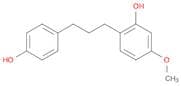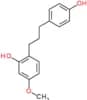
CAS 73731-87-0
:Broussonin A
Description:
Broussonin A is a natural compound classified as a triterpenoid, specifically a type of saponin, derived from the Broussonetia plant species. It is known for its complex molecular structure, which typically includes multiple rings and functional groups that contribute to its biological activity. Broussonin A exhibits various pharmacological properties, including anti-inflammatory, antioxidant, and potential anticancer effects, making it a subject of interest in medicinal chemistry and pharmacology. The compound's mechanism of action often involves modulation of cellular signaling pathways, although specific details may vary based on the context of its use. Additionally, Broussonin A's solubility and stability can be influenced by its structural characteristics, which may affect its bioavailability and therapeutic efficacy. Research into Broussonin A continues to explore its potential applications in drug development and natural product chemistry, highlighting the importance of understanding its chemical properties and biological interactions.
Formula:C16H18O3
InChI:InChI=1S/C16H18O3/c1-19-15-10-7-13(16(18)11-15)4-2-3-12-5-8-14(17)9-6-12/h5-11,17-18H,2-4H2,1H3
InChI key:InChIKey=MSNVBURPCQDLEP-UHFFFAOYSA-N
SMILES:C(CCC1=CC=C(O)C=C1)C2=C(O)C=C(OC)C=C2
Synonyms:- Broussonin A
- Phenol, 2-[3-(4-hydroxyphenyl)propyl]-5-methoxy-
- 2-[3-(4-Hydroxyphenyl)propyl]-5-methoxyphenol
Sort by
Purity (%)
0
100
|
0
|
50
|
90
|
95
|
100
Found 5 products.
Broussonin A
CAS:Broussonins A, new phytoalexins from mulberry, exhibit estrogenic effects, inhibit adipogenesis and reduce inflammatory iNOS in cells by modulating pathways.Formula:C16H18O3Purity:98%Color and Shape:SolidMolecular weight:258.317Broussonin A
CAS:Broussonin A is a bioactive compound, classified as a natural product, which is derived from the Broussonetia papyrifera plant. This plant is part of the Moraceae family, commonly known as the paper mulberry. Broussonin A is extracted from various parts of the plant, including the leaves and bark, which have been traditionally used in herbal medicine.
Formula:C16H18O3Purity:Min. 95%Molecular weight:258.31 g/molRef: 3D-YCA73187
Discontinued product