CAS 73913-63-0
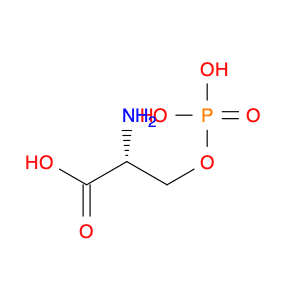
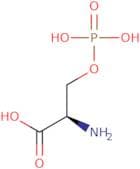
:O-phospho-D-serine
Description:
O-phospho-D-serine is a phosphorylated derivative of the amino acid D-serine, characterized by the presence of a phosphate group attached to the hydroxyl group of the serine side chain. This compound plays a significant role in various biological processes, particularly in the central nervous system, where it acts as a neuromodulator and is involved in the regulation of N-methyl-D-aspartate (NMDA) receptors. O-phospho-D-serine is typically a white to off-white solid and is soluble in water, which facilitates its biological activity. Its molecular structure includes a chiral center, contributing to its specific interactions in biochemical pathways. The compound is of interest in research related to neuropharmacology and potential therapeutic applications, particularly in conditions such as schizophrenia and other neuropsychiatric disorders. As a chemical entity, it is important to handle O-phospho-D-serine with care, following appropriate safety protocols, as with any biochemical reagent.
Formula:C3H8NO6P
Synonyms:- H-D-Ser(PO3H2)-OH
Sort by
Purity (%)
0
100
|
0
|
50
|
90
|
95
|
100
Found 3 products.
O-Phospho-D-serine
CAS:<p>O-Phospho-D-serine (OS) is a phospholipid that is synthesized by the enzyme phosphatase from D-serine. It has been shown to have tumor cell line inhibitory effects and may be useful as a pharmacologic agent for the treatment of cancer. OS has also been shown to have retinal neuron protective effects and can induce the maturation of cells in culture. OS is an essential component of the cell membrane, where it plays an important role in maintaining intracellular chloride levels. This compound also has been shown to be a potent inhibitor of t-cell proliferation. In addition, OS has been implicated in glutamate signaling and neurotransmission as well as fatty acid biosynthesis. OS is produced by bacteria belonging to the genus Bacillus, which are found in soil and water samples throughout the world.</p>Formula:C3H8NO6PPurity:Min. 95%Molecular weight:185.07 g/mol