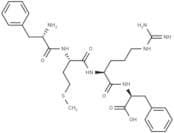
CAS 74012-06-9
:L-Phenylalanine, L-phenylalanyl-L-methionyl-L-arginyl-
Description:
L-Phenylalanine, L-phenylalanyl-L-methionyl-L-arginyl- is a peptide composed of the amino acids phenylalanine, methionine, and arginine. This compound is characterized by its structure, which includes the specific sequence of these amino acids linked by peptide bonds. As a derivative of phenylalanine, it retains the properties of this essential amino acid, which is crucial for protein synthesis and serves as a precursor for neurotransmitters. The presence of methionine introduces a sulfur atom, contributing to its unique biochemical properties, while arginine, known for its role in nitric oxide production, adds further functionality. This peptide may exhibit various biological activities, including potential roles in metabolism and signaling pathways. Its solubility and stability can be influenced by the surrounding pH and temperature, typical of many peptides. Additionally, it may have applications in nutritional supplements or therapeutic contexts, particularly in conditions where amino acid supplementation is beneficial. However, specific biological activities and applications would require further investigation and validation through research.
Formula:C29H41N7O5S
Sort by
Purity (%)
0
100
|
0
|
50
|
90
|
95
|
100
Found 2 products.
FMRF
CAS:FMRF is a peptide consisting of 4 amino acid residues.Formula:C29H41N7O5SPurity:98%Color and Shape:SolidMolecular weight:599.74Fmrf acetate(74012-06-9 free base)
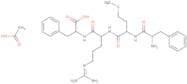
CAS:Controlled ProductFmrf acetate (74012-06-9 free base) is a medicinal compound with potent anticancer properties. It has been shown to induce apoptosis in cancer cells and inhibit tumor growth. Fmrf acetate is an analog of the naturally occurring neuropeptide FMRFamide and acts as a kinase inhibitor. This compound has been found in human urine and Chinese medicinal herbs, making it an important target for cancer research. Fmrf acetate has also been shown to disrupt the cell cycle and inhibit the activity of proteins involved in cancer progression, making it a promising candidate for developing new cancer therapies. Its potent inhibitory effects on tumor growth make it a valuable tool for researchers studying cancer biology and developing new treatments for this disease.Formula:C31H45N7O7SPurity:Min. 95%Molecular weight:659.8 g/mol