CAS 74162-08-6
:b-D-Xylopyranoside, methyl,2,4-diacetate
Description:
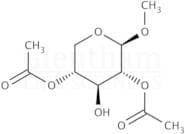
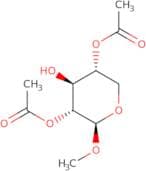
β-D-Xylopyranoside, methyl, 2,4-diacetate is a chemical compound characterized by its structure as a derivative of xylose, a five-carbon sugar. This compound features a pyranose ring, which is a six-membered ring containing five carbon atoms and one oxygen atom. The presence of two acetyl groups at the 2 and 4 positions of the sugar ring indicates that it has been modified to enhance its solubility and reactivity. The methyl group attached to the anomeric carbon (C1) further contributes to its stability and alters its physical properties. This compound is typically used in biochemical research and synthesis, particularly in the study of glycosylation reactions and carbohydrate chemistry. Its properties may include being a white crystalline solid, soluble in organic solvents, and exhibiting specific optical activity due to its chiral nature. As with many sugar derivatives, it may also participate in various chemical reactions, making it valuable in synthetic organic chemistry. Safety data should be consulted for handling and storage, as with all chemical substances.
Formula:C10H16O7
Synonyms:- Methyl2,4-di-O-acetyl-b-D-xylopyranoside
Sort by
Purity (%)
0
100
|
0
|
50
|
90
|
95
|
100
Found 2 products.
Methyl 2,4-di-O-acetyl-b-D-xylopyranoside
CAS:Methyl 2,4-di-O-acetyl-b-D-xylopyranoside (MDX) is an epoxide that has been found to stimulate the growth of Schizophyllum commune and other fungi. It is structurally related to vicinal diols, which are known to inhibit esterases and hydrolyze acetyl groups. The acetyl groups on MDX can be reduced by hydride reduction or by hydrolysis with acetylated esters. MDX inhibits bacterial growth by inhibiting protein synthesis through its structural similarity to deoxyribose phosphate, a component of DNA.Formula:C10H16O7Purity:Min. 95%Molecular weight:248.2 g/mol