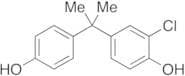
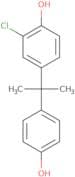
![2-chloro-4-[1-(4-hydroxyphenyl)-1-methylethyl]phenol](/_next/image/?url=https%3A%2Fstatic.cymitquimica.com%2Fcas-image%2Fthumb-webp%2F196930-2-chloro-4-1-4-hydroxyphenyl-1-methylethyl-phenol.webp&w=3840&q=75)
CAS 74192-35-1
:2-chloro-4-[1-(4-hydroxyphenyl)-1-methylethyl]phenol
- 2-(3-Chloro-4-Hydroxyphenyl)-2-(4-Hydroxyphenyl)Propane
- 2-Chloro-4-[2-(4-Hydroxyphenyl)Propan-2-Yl]Phenol
- Phenol, 2-Chloro-4-[1-(4-Hydroxyphenyl)-1-Methylethyl]-
3-Chlorobisphenol A
CAS:Controlled ProductApplications A chlorinated derivative of Bisphenol A with estrogenic activity.
References Klinge, C., et al.: J. Biol. Chem., 272, 31465 (1997), Yokota, H., et al.: Biochem. J., 340, 405 (1999), Zuo, J., et al.: Plant J., 24, 265 (2000), Elsby, R., et al.: J. Pharmacol. Exp. Ther., 297, 103 (2001),Formula:C15H15ClO2Color and Shape:Off White SolidMolecular weight:262.733-Chlorobisphenol A
CAS:3-Chlorobisphenol A is a hydroxy group containing compound that occurs naturally in plants. It is a byproduct of the production of polycarbonate plastics, and is also used as an intermediate in the manufacture of other chemicals. 3-Chlorobisphenol A can be found in wastewater, which has led to it being studied for use in wastewater treatment. 3-Chlorobisphenol A has been shown to have constitutive androstane receptor agonist activity, which may account for its toxicities. 3-Chlorobisphenol A has been shown to cause adverse effects on animal health, with high chloride concentrations leading to toxicity. These effects are likely due to its ability to inhibit the response pathway involving cytochrome P450 enzymes.
Formula:C15H15ClO2Purity:Min. 95%Color and Shape:PowderMolecular weight:262.73 g/molRef: 3D-FC20207
Discontinued product