CAS 76-44-8
:Heptachlor
Description:
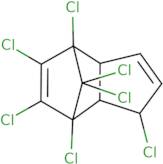
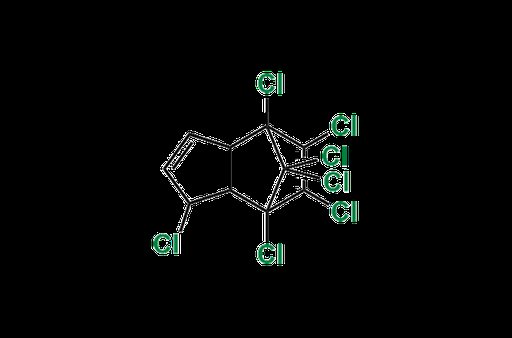
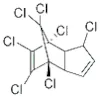
Heptachlor is an organochlorine compound primarily used as an insecticide and acaricide. It is a colorless to white crystalline solid with a characteristic odor. Heptachlor is known for its high lipophilicity, which allows it to accumulate in fatty tissues of living organisms, leading to potential bioaccumulation and biomagnification in the food chain. Its chemical structure consists of a bicyclic arrangement with multiple chlorine atoms, contributing to its stability and persistence in the environment. Heptachlor is relatively insoluble in water but soluble in organic solvents, which affects its environmental behavior and degradation. Due to its toxicity to aquatic life and potential human health risks, including neurotoxic effects, heptachlor has been banned or restricted in many countries. Its persistence in the environment raises concerns regarding soil and water contamination, necessitating careful management and remediation strategies in areas where it has been used. Overall, heptachlor exemplifies the challenges associated with the use of persistent organic pollutants in agriculture and pest control.
Formula:C10H5Cl7
InChI:InChI=1S/C10H5Cl7/c11-4-2-1-3-5(4)9(15)7(13)6(12)8(3,14)10(9,16)17/h1-5H
InChI key:InChIKey=FRCCEHPWNOQAEU-UHFFFAOYSA-N
SMILES:ClC12C3C(C(Cl)(C1(Cl)Cl)C(Cl)=C2Cl)C=CC3Cl
Synonyms:- 1,4,5,6,7,10,10-Heptachloro-4,7,8,9-tetrahydro-4,7-methyleneindene
- 1,4,5,6,7,8,8-Heptachloro-3a,4,7,7a-tetrahydro-4,7-methano-1H-indene
- 1,4,5,6,7,8,8-Heptachloro-3a,4,7,7a-tetrahydro-4,7-methanoindene
- 1,4,5,6,7,8,8-Heptachloro-3α,4,7,7α-tetrahydro-4,7-endo-methanoindene
- 3,4,5,6,8,8a-Heptachlorodicyclopentadiene
- 3-Chlorochlordene
- 4,7-Methanoindene, 1,4,5,6,7,8,8-heptachloro-3a,4,7,7a-tetrahydro-
- Aahepta
- Agroceres
- Arbinex 30TN
- E 3314
- Ent 15, 152
- Ent 15,152
- GPKh
- Hepta
- Heptachlor
- Heptachlor [1,4,5,6,7,8,8-Heptachloro-3a,4,7,7a-tetrahydro-4,7-methano-1H-indene]
- Heptachlorane
- Heptachlore
- Heptacloro
- Heptox
- Istd
- Nsc 8930
- Rhodiachlor
- Velsicol 104
- Heptachlorotetrahydro-4,7-methanoindene
- Heptamul
- HSDB 554
- 1,4,5,6,7,8,8-Heptachloro-3a,4,7,7a-tetrahydro-4,7-endomethanoindene
- 1,4,5,6,7,8,8-Heptachloor-3a,4,7,7a-tetrahydro-4,7-endo-methano-indeen [Dutch]
- Heptagranox
- H-34
- Heptachlor (technical grade)
- 1,4,5,6,7,8,8-Heptachlor-3a,4,7,7,7a-tetrahydro-4,7-endo-methano-inden
- Heptamak
- Eptacloro
- alpha-Dicyclopentadiene, 3,4,5,6,7,8,8A-heptachloro-
- Velsicol heptachlor
- 1,4,5,6,7,8,8-Eptacloro-3a,4,7,7a-tetraidro-4,7-endo-metano-indene [Italian]
- Heptachlore [French]
- RCRA waste no. P059
- 1(3a),4,5,6,7,8,8-Heptachloro-3a(1),4,7,7a-tetrahydro-4,7-methanoindene
- Technical heptachlor
- NCI-C00180
- Latka 104
- RCRA waste number P059
- Soleptax
- Heptachlore [ISO-French]
- Latka 104 [Czech]
- Heptachlor and metabolites
- (4S,7R)-1,4,5,6,7,8,8-heptachloro-3a,4,7,7a-tetrahydro-1H-4,7-methanoindene
- AI3-15152
- 1,4,5,6,7,8,8-Heptachlor-3a,4,7,7,7a-tetrahydro-4,7-endo-methano-inden [German]
- 4,7-Methano-1H-indene, 1,4,5,6,7,8,8-heptachloro-3a,4,7,7a-tetrahydro-
- Basaklor
- EPA Pesticide Chemical Code 044801
- H-60
- CCRIS 324
- 3,4,5,6,7,8,8a-Heptachlorodicyclopentadiene
- Heptasol
- 1,4,5,6,7,8,8-Heptachloro-3a,4,7,7a-tetrahydro-4,7-methanol-1H-indene
- 1,4,5,6,7,8,8-heptachloro-3a,4,7,7a-tetrahydro-1H-4,7-methanoindene
- OMS 193
- 4,7-Methano-1H-indene, 1,4,5,6,7,8,8-heptachloro-3a,4,7,7a-tetrahydro-
- Gold Crest H-60, Termide
- Heptachloor [Dutch]
- Eptacloro [Italian]
- Heptagran
- Caswell No. 474
- 1,4,5,6,7,8,8-Heptachloor-3a,4,7,7a-tetrahydro-4,7-endo-methano-indeen
- Heptachloor
- 1,4,5,6,7,8,8-Heptachlorotetrahydro-4,7-methanoindene
- 1,4,5,6,7,8,8-Eptacloro-3a,4,7,7a-tetraidro-4,7-endo-metano-indene
- Dicyclopentadiene, 3,4,5,6,7,8,8a-heptachloro-
- See more synonyms
Filter by
Purity percentage
0
100
|
0
|
50
|
90
|
95
|
100
- Lower prices
- Higher prices
- Lower purities
- Higher purities
- Faster estimated delivery
Heptachlor in Methanol Certified reference materials
CAS:Controlled ProductFormula:C10H5Cl7Molecular weight:373.3Heptachlor in Ethyl acetate
CAS:Controlled ProductEthyl acetateFormula:C10H5Cl7Molecular weight:373.3Heptachlor in Methanol Quality Control Sample
CAS:Controlled ProductMethanolFormula:C10H5Cl7Molecular weight:373.3Heptachlor
CAS:Controlled ProductHeptachlor is a compound with a hydroxyl group that is toxicologically studied. It is chemically stable and does not react with other compounds at high temperatures. Heptachlor has been shown to have an antibody response in animals and plant metabolism, which includes the ability to metabolize into heptachlor epoxide. Heptachlor can also cause toxicity in animal studies, as well as oxidative stress and damage to liver cells. The light exposure of heptachlor can increase the risk of cancer.Formula:C10H5Cl7Purity:Min. 95%Molecular weight:373.32 g/mol