CAS 760-23-6
:3,4-Dichloro-1-butene
Description:
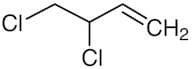
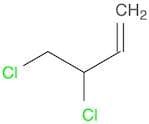
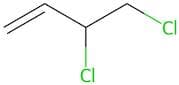
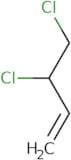
3,4-Dichloro-1-butene is an organic compound characterized by its structure, which includes a four-carbon chain with two chlorine atoms attached to the second and third carbon atoms, and a double bond between the first and second carbon atoms. This compound is a member of the class of alkenes, specifically a substituted butene. It is typically a colorless to pale yellow liquid with a distinctive odor. 3,4-Dichloro-1-butene is known for its reactivity due to the presence of the double bond and the electronegative chlorine atoms, which can participate in various chemical reactions, including nucleophilic substitutions and additions. It is used in organic synthesis and may serve as an intermediate in the production of other chemicals. Safety considerations include its potential toxicity and environmental impact, necessitating proper handling and disposal measures. As with many chlorinated compounds, it may pose risks to human health and the environment, highlighting the importance of adhering to safety guidelines during its use.
Formula:C4H6Cl2
InChI:InChI=1S/C4H6Cl2/c1-2-4(6)3-5/h2,4H,1,3H2
InChI key:InChIKey=XVEASTGLHPVZNA-UHFFFAOYSA-N
SMILES:C(C=C)(CCl)Cl
Synonyms:- 1,2-Dichloro-3-butene
- 1-Butene, 3,4-dichloro-
- 3,4-Dichlorobut-1-Ene
- 3,4-Dichlorobutene-1
- Dichlorobutene
- 3,4-Dichloro-1-butene
Sort by
Purity (%)
0
100
|
0
|
50
|
90
|
95
|
100
Found 4 products.
3,4-Dichloro-1-butene
CAS:Formula:C4H6Cl2Purity:>98.0%(GC)Color and Shape:Colorless to Almost colorless clear liquidMolecular weight:124.993,4-Dichloro-1-butene
CAS:3,4-Dichloro-1-butene (3,4-DCB) is an industrial chemical that is used in the production of a variety of chemicals and plastics. It has been shown to be toxic to the liver and kidneys following chronic exposure, which may be due to its ability to form reactive quaternary ammonium salts. 3,4-DCB reacts with copper salt to produce hydrogen chloride gas, which can then react with water vapor in the air to produce hydrochloric acid. Hydrochloric acid is highly corrosive and can cause severe burns on contact with skin. 3,4-DCB also has the ability to isomerize into 1,2-dichloroethane (1,2-DCA), a known human carcinogen.Formula:C4H6Cl2Purity:Min. 95%Molecular weight:124.99 g/mol