CAS 78-89-7
:Propylene chlorohydrin
Description:
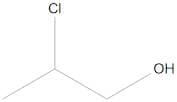
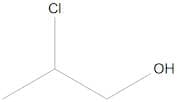
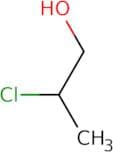
Propylene chlorohydrin, with the CAS number 78-89-7, is an organic compound characterized by its structure as a chlorinated alcohol. It appears as a colorless to pale yellow liquid with a slightly sweet odor. This compound is soluble in water and exhibits moderate volatility. Propylene chlorohydrin is primarily used as an intermediate in the production of various chemicals, including glycerol and propylene glycol, and serves as a solvent in several industrial applications. It is also utilized in the synthesis of pharmaceuticals and agrochemicals. The substance is classified as a hazardous material, with potential health risks upon exposure, including skin and eye irritation, and it may pose environmental hazards if released. Proper handling and storage protocols are essential to mitigate these risks. Additionally, propylene chlorohydrin is subject to regulatory controls due to its potential effects on human health and the environment, necessitating adherence to safety guidelines in its use and disposal.
Formula:C3H7ClO
InChI:InChI=1S/C3H7ClO/c1-3(4)2-5/h3,5H,2H2,1H3
InChI key:InChIKey=VZIQXGLTRZLBEX-UHFFFAOYSA-N
SMILES:C(CO)(C)Cl
Synonyms:- 1-Hydroxy-2-chloropropane
- 1-Propanol, 2-Chloro-
- 2-Chloro-1-propanol
- 2-Chloropropanol
- 2-Chloropropyl alcohol
- 201-154-3
- NSC 122672
- Propylene chlorohydrin
- β-Propylene chlorohydrin
Sort by
Purity (%)
0
100
|
0
|
50
|
90
|
95
|
100
Found 4 products.
2-Chloropropanol
CAS:Controlled ProductApplications 2-Chloropropanol is used as a solvent in the composition and method for removing a coating from a surface. 2-Chloropropanol is used as an organic solvent in liquid cleaner for the removal of post-etch residues from microsprocessors.
References (1) Morose, G. PCT Int. Appl. 21pp (2019) ; (2) Visintin, P. M. et al.: PCT Int. Appl. 55pp (2008)Formula:C3H7ClOColor and Shape:ColourlessMolecular weight:94.542-Chloro-1-propanol
CAS:2-Chloro-1-propanol is an industrial solvent. It is used in the production of organic compounds, particularly for the synthesis of chlorinated hydrocarbons. 2-Chloro-1-propanol is a colorless liquid with a viscosity of 0.92 mPa·s at 25 °C. The detection limit for this compound is 0.02 ppm, and it has a molecular weight of 76.09 g/mol. The reaction mechanism for 2-chloro-1-propanol involves the addition of hydrogen chloride to an alcohol molecule to form an ester and water. This reaction can be optimized by using trifluoroacetic acid as the acid catalyst and hydrochloric acid as the base catalyst, or vice versa.Formula:C3H7ClOPurity:Min. 95%Color and Shape:Clear LiquidMolecular weight:94.54 g/mol