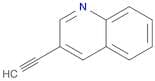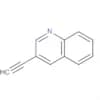
CAS 78593-40-5
:Quinoline, 3-ethynyl-
Description:
Quinoline, 3-ethynyl- is an organic compound characterized by its quinoline backbone, which consists of a fused benzene and pyridine ring. The presence of an ethynyl group at the 3-position of the quinoline structure introduces a triple bond, contributing to its reactivity and potential applications in organic synthesis. This compound is typically a colorless to pale yellow liquid or solid, depending on its purity and form. It is known for its aromatic properties and can participate in various chemical reactions, including nucleophilic substitutions and coupling reactions. Quinoline derivatives are of interest in medicinal chemistry due to their biological activities, including antimicrobial and antitumor properties. The compound's solubility can vary, often being soluble in organic solvents while having limited solubility in water. Safety data should be consulted for handling, as quinoline derivatives can pose health risks, including toxicity and potential carcinogenic effects. Overall, Quinoline, 3-ethynyl- serves as a valuable intermediate in the synthesis of more complex organic molecules.
Formula:C11H7N
Sort by
Purity (%)
0
100
|
0
|
50
|
90
|
95
|
100
Found 4 products.
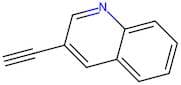
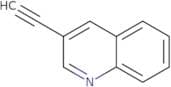
3-Ethynyl-quinoline
CAS:3-Ethynyl-quinoline is a palladium ligand that can be used in the synthesis of palladium complexes. It is an electron-rich, nitrogen-containing heterocyclic compound. 3-Ethynyl-quinoline has been shown to bind to matrix-assisted laser desorption/ionization (MALDI) mass spectrometry and provide information about the structure of the molecule. The terminal alkynes are considered mesomeric, which means they can adopt different structures depending on the type of environment they are in. 3-Ethynyl-quinoline can undergo bond cleavage, as shown by mouse liver microsomes and profiles. In addition, this compound has been shown to have dopamine D3 receptor binding activity in vivo.Formula:C11H7NPurity:Min. 95%Molecular weight:153.18 g/mol