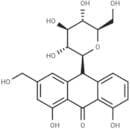
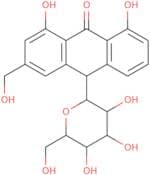
CAS 8015-61-0
:Aloin
Description:
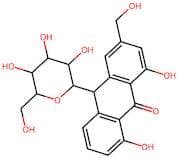
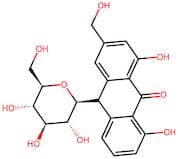
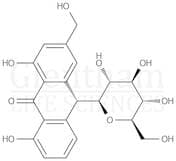
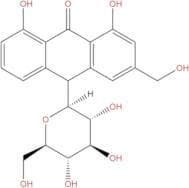
Aloin, with the CAS number 8015-61-0, is a natural compound primarily derived from the aloe plant, particularly Aloe vera. It is a yellowish-brown, bitter compound that exists in two isomeric forms: barbaloin and isobarbaloin. Aloin is classified as a phenolic compound and is known for its laxative properties, which are attributed to its ability to stimulate intestinal peristalsis. In addition to its medicinal uses, aloin exhibits antioxidant and antimicrobial activities, making it of interest in both pharmacological and cosmetic applications. It is soluble in alcohol and slightly soluble in water, which influences its formulation in various products. Aloin's stability can be affected by factors such as pH and temperature, and it may degrade upon prolonged exposure to light. Due to its biological activity, aloin is subject to regulatory scrutiny, particularly in dietary supplements and herbal products, where its safety and efficacy are evaluated. Overall, aloin is a compound of significant interest in both traditional and modern medicine.
Formula:Unspecified
Synonyms:- Aloins
- Aloin
Sort by
Purity (%)
0
100
|
0
|
50
|
90
|
95
|
100
Found 7 products.
Aloin (mixture of A&B)
CAS:Formula:C21H22O9Purity:≥ 95.0%Color and Shape:Light-yellow to yellow powderMolecular weight:418.40Aloin(mixture of A&B)
CAS:ALOIN Inhibits Interleukin (IL)-1β-Stimulated IL-8 Production in KB Cells.Formula:C21H22O9Purity:99.36%Color and Shape:SolidMolecular weight:418.398Aloin
CAS:Aloin is a natural anthraquinone glycoside, which is derived from the latex of Aloe species, particularly Aloe vera and Aloe ferox. This compound is primarily located beneath the plant's outer leaf skin. Aloin acts by stimulating peristalsis in the large intestine, thereby facilitating bowel movements. This action is primarily due to the conversion of aloin to aloe-emodin-9-anthrone by intestinal bacteria, which then irritates the bowel.
Formula:C21H22O9Purity:Min. 95%Molecular weight:418.4 g/mol