CAS 813-77-4
:dimethyl chlorophosphate
Description:
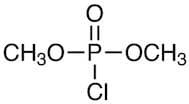
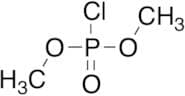
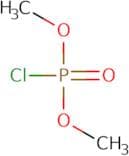
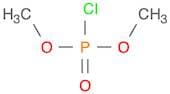
Dimethyl chlorophosphate, with the CAS number 813-77-4, is an organophosphorus compound characterized by its chemical structure, which includes two methyl groups and a chlorophosphate functional group. It is a colorless to pale yellow liquid with a pungent odor, and it is known for its high reactivity, particularly due to the presence of the chlorophosphate moiety. This compound is primarily used as an intermediate in the synthesis of various chemicals, including pesticides and pharmaceuticals. It is also recognized for its potential as a chemical warfare agent, which raises concerns regarding its toxicity and environmental impact. Dimethyl chlorophosphate is soluble in organic solvents but has limited solubility in water. Safety precautions are essential when handling this substance, as it can be harmful if inhaled, ingested, or absorbed through the skin. Proper storage and disposal methods are crucial to mitigate risks associated with its use.
Formula:C2H6ClO3P
InChI:InChI=1/C2H6ClO3P/c1-5-7(3,4)6-2/h1-2H3
SMILES:COP(=O)(Cl)OC
Synonyms:- Phosphorochloridic acid, dimethyl ester
- Methyl phosphorochloridate
- Dimethyl Phosphorochloridate
Sort by
Purity (%)
0
100
|
0
|
50
|
90
|
95
|
100
Found 4 products.
Dimethyl Chlorophosphate
CAS:Formula:C2H6ClO3PPurity:>98.0%(GC)(T)Color and Shape:Colorless to Almost colorless clear liquidMolecular weight:144.49Dimethyl Phosphorochloridate (90%)
CAS:Controlled ProductStability Moisture Sensitive
Applications A phosphorylating agent.
Not a dangerous good if item is equal to or less than 1g/ml and there is less than 100g/ml in the package
References Sartori, et al.: Chem. Rev., 48, (1951), Nachmansohn, et al.: Adv. Enzymology, 12, 259 (1951)Formula:C2H6ClO3PPurity:90%Color and Shape:NeatMolecular weight:144.494Dimethyl phosphorochloridate
CAS:Dimethyl phosphorochloridate is an organophosphorus compound that inhibits the growth of bacteria by binding to the 50S ribosomal subunit. The drug binds to the 3'-terminal adenosine residue in 16S ribosomal RNA and prevents protein synthesis, leading to cell death. Dimethyl phosphorochloridate has been shown to be effective against autoimmune diseases such as rheumatoid arthritis and Crohn's disease. This drug also increases the production of growth factors, which may be due to its ability to inhibit prostaglandin synthesis. The mechanism by which this drug inhibits bacterial growth remains unclear. Dimethyl phosphorochloridate has been shown to act as a nucleophile in cationic polymerization reactions with amides and malonic acid. It reacts with trimethyl copper chloride (TMC) under basic conditions in a model system, producing a signal pathway that leads to hydrogen bond formation between the hydroxyl group and TMC.Formula:C2H6ClO3PPurity:Min. 95%Color and Shape:Colourless To Pale Yellow Clear LiquidMolecular weight:144.49 g/molDimethyl phosphorochloridate
CAS:Formula:C2H6ClO3PPurity:97%Color and Shape:LiquidMolecular weight:144.4940