CAS 82979-45-1
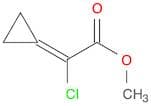
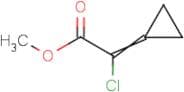
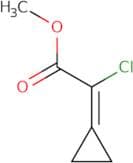
:Acetic acid, chlorocyclopropylidene-, methyl ester
Description:
Acetic acid, chlorocyclopropylidene-, methyl ester, identified by the CAS number 82979-45-1, is an organic compound characterized by its ester functional group. This compound features a chlorinated cyclopropylidene moiety, which contributes to its unique chemical properties. Typically, esters like this one are known for their pleasant odors and are often used in flavoring and fragrance applications. The presence of the chlorocyclopropylidene group may impart specific reactivity, making it of interest in synthetic organic chemistry. The compound is likely to be a colorless to pale yellow liquid, with a moderate boiling point and solubility in organic solvents. Its reactivity can be influenced by the presence of the chlorine atom, which can participate in various chemical reactions, including nucleophilic substitutions. Safety data should be consulted for handling, as chlorinated compounds can pose health risks. Overall, this compound's unique structure and properties make it a subject of interest in both industrial and research settings.
Formula:C6H7ClO2
Sort by
Purity (%)
0
100
|
0
|
50
|
90
|
95
|
100
Found 3 products.
Methyl 2-chloro-2-cyclopropylideneacetate
CAS:Formula:C6H7ClO2Purity:97%Color and Shape:SolidMolecular weight:146.5716Methyl 2-chloro-2-cyclopropylideneacetate
CAS:Methyl 2-chloro-2-cyclopropylideneacetate
Purity:99%Molecular weight:146.57g/molMethyl 2-chloro-2-cyclopropylideneacetate
CAS:Methyl 2-chloro-2-cyclopropylideneacetate (MCPA) is an organic compound that is used as a herbicide. MCPA is known to be an alkylating agent, which means it can react with other molecules by adding an alkyl group to them. MCPA has been shown to induce lipid peroxidation in the liver, kidneys and heart of rats. It also inhibits the synthesis of prostaglandins, which are important mediators in inflammatory diseases. MCPA can be synthesized by reacting dimethyl diazomalonate with a chlorinating agent such as chlorine or bromine. This reaction produces methyl 2-chloro-2-cyclopropylideneacetate and hydrogen chloride gas.Formula:C6H7ClO2Purity:Min. 95%Molecular weight:146.57 g/mol