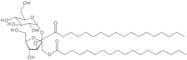
CAS 84066-95-5
:α-D-Glucopyranoside, β-D-fructofuranosyl, mixed palmitates and stearates
Description:
α-D-Glucopyranoside, β-D-fructofuranosyl, mixed palmitates and stearates, with CAS number 84066-95-5, is a glycoside that features a combination of sugar moieties and fatty acid esters. This compound is characterized by its amphiphilic nature, which arises from the presence of both hydrophilic sugar units and hydrophobic fatty acid chains (palmitate and stearate). This dual nature allows it to function effectively as an emulsifier or surfactant in various applications, including food, cosmetics, and pharmaceuticals. The glucopyranoside and fructofuranosyl components contribute to its solubility in water, while the fatty acid esters enhance its ability to interact with lipophilic substances. Additionally, this compound may exhibit properties such as biocompatibility and biodegradability, making it suitable for use in formulations that require mild and non-toxic ingredients. Its structural complexity and functional characteristics make it a valuable ingredient in various industrial applications, particularly where emulsification and stabilization of mixtures are required.
Formula:Unspecified
Synonyms:- alpha-D-Glucopyranoside, beta-D-fructofuranosyl, mixed palmitates and stearates
- α-<span class="text-smallcaps">D</smallcap>-Glucopyranoside, β-<smallcap>D</span>-fructofuranosyl, mixed palmitates and stearates
- α-D-Glucopyranoside, β-D-fructofuranosyl, mixed palmitates and stearates
Sort by
Purity (%)
0
100
|
0
|
50
|
90
|
95
|
100
Found 2 products.
Sucrose distearate - 30% monostearate
CAS:The ‘tallowate’ esters are probably the best known derivatives of sucrose and many attempts have been made to commercialise them in order to exploit their excellent surfactant functionalities. The most functional products are the mono- and diesters of the tallow acids (stearic, palmitic, oleic) with hydrophile-lipophile balance (HLB) values that lend themselves to surfactant applications in foods and cosmetics. They also have other uses, for example in coating fruits with a semipermeable membrane that acts as a preservative. Manufacturing economics have prevented these products from mass production and they remain in niche applications.Formula:C48H90O13Purity:Min. 95%Color and Shape:PowderMolecular weight:875.24 g/mol