CAS 84477-71-4
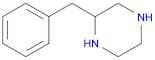
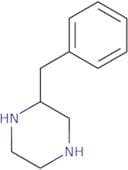
:2-Benzylpiperazine
Description:
2-Benzylpiperazine (BZP) is a chemical compound classified as a piperazine derivative, characterized by a piperazine ring substituted with a benzyl group at the second position. It is typically a white to off-white crystalline solid with a moderate solubility in water and organic solvents. BZP is known for its stimulant properties, often associated with effects similar to those of amphetamines, including increased energy, euphoria, and enhanced sociability. Its mechanism of action primarily involves the release of neurotransmitters such as dopamine and serotonin. Due to its psychoactive effects, BZP has been investigated for potential use in recreational contexts, but it has also raised concerns regarding safety and legality in various jurisdictions. The compound has been studied for its pharmacological properties, and while it has some potential therapeutic applications, its use is often regulated or banned in many countries. As with any psychoactive substance, caution is advised regarding its use, given the potential for adverse effects and dependency.
Formula:C11H16N2
InChI:InChI=1/C11H16N2/c1-2-4-10(5-3-1)8-11-9-12-6-7-13-11/h1-5,11-13H,6-9H2
SMILES:c1ccc(cc1)CC1CNCCN1
Synonyms:- 2-Benzylpiperazin
- Piperazine, 2-(Phenylmethyl)-
- 2-Benzylpiperazine
Sort by
Purity (%)
0
100
|
0
|
50
|
90
|
95
|
100
Found 3 products.
2-Benzyl-piperazine
CAS:2-Benzyl-piperazine is a pharmacological agent that has been shown to have anabolic effects in animals and humans. It is a crystalline solid with a molecular weight of 248.2 g/mol. 2-Benzyl-piperazine is used in the treatment of chronic renal failure, as well as the prevention of kidney stone formation in patients with recurrent calcium oxalate stones, or those who have experienced at least one episode of calcium oxalate stone formation. 2-Piperazine inhibits the activity of an enzyme called carbonic anhydrase, which is found in many tissues and facilitates reactions that produce bicarbonate ions from carbon dioxide and water molecules. The piperazine ring also has two methyl substituents, which can be modified to create bioisosteric analogues. These modifications may alter the properties of 2-benzyl-piperazine such as its solubility or metabolic stability. 2-Benzyl-piperFormula:C11H16N2Purity:Min. 95%Color and Shape:PowderMolecular weight:176.26 g/mol