CAS 85287-60-1
:Sculponeatin B
Description:
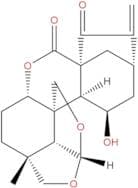
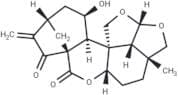
Sculponeatin B, with the CAS number 85287-60-1, is a natural product belonging to the class of compounds known as alkaloids. It is primarily derived from certain species of fungi and exhibits a range of biological activities, including antimicrobial and cytotoxic properties. The molecular structure of Sculponeatin B features a complex arrangement of carbon, hydrogen, nitrogen, and oxygen atoms, contributing to its unique chemical behavior and interactions. This compound has garnered interest in medicinal chemistry due to its potential therapeutic applications, particularly in the development of new drugs. Its solubility, stability, and reactivity can vary depending on environmental conditions, such as pH and temperature. Research into Sculponeatin B continues to explore its mechanisms of action and potential uses in treating various diseases, highlighting the importance of natural products in pharmaceutical development. As with many alkaloids, safety and toxicity profiles are critical considerations in its application and further study.
Sort by
Purity (%)
0
100
|
0
|
50
|
90
|
95
|
100
Found 5 products.
10,13-Dideoxy-10α,21-epoxy-5β-hydroxyenmein
CAS:Formula:C20H24O6Purity:97.0%Color and Shape:SolidMolecular weight:360.4010Sculponeatin B
CAS:Sculponeatin A is a natural product from Rabdosia amethystoides.Formula:C20H24O6Purity:96.00%Color and Shape:SolidMolecular weight:360.4Sculponeatin A
CAS:Sculponeatin A is a marine-derived polyketide, which is isolated from marine microorganisms, specifically from certain strains of marine-derived fungi. This bioactive compound acts as an antifungal agent, disrupting fungal cell membrane integrity and inhibiting enzymatic processes vital for fungal growth and replication. As a result, it exhibits potent inhibitory activity against a range of fungal pathogens. Its unique mode of action makes it a valuable asset in the study of antifungal mechanisms and the development of new antifungal therapeutics. Researchers focus on Sculponeatin A for its potential applications in combating drug-resistant fungal infections, which remain a significant challenge in medical and agricultural contexts. The exploration of such compounds from marine sources highlights the underexplored potential of marine biodiversity in contributing to novel antimicrobial agents.Formula:C20H24O6Purity:Min. 95%Molecular weight:360.4 g/mol