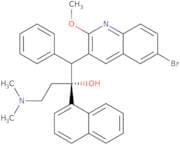
CAS 857086-93-2
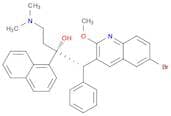
:(1S,2R)-1-(6-bromo-2-methoxyquinolin-3-yl)-4-(methylamino)-2-(naphthalen-1-yl)-1-phenylbutan-2-ol
CAS:Formula:C32H31BrN2O2Purity:98%Color and Shape:SolidMolecular weight:555.5047(1S,2R)-1-(6-BROMO-2-METHOXYQUINOLIN-3-YL)-4-(DIMETHYLAMINO)-2-(NAPHTHALEN-1-YL)-1-PHENYLBUTAN-2-OL
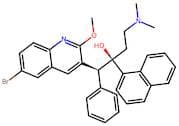
CAS:Purity:98%Color and Shape:SolidMolecular weight:555.5159912109375(AlphaR,BetaS)-Bedaquiline
CAS:Controlled ProductApplications (αR,βS)-Bedaquiline is an intermediate in the synthesis of (αS,βR)-Bedaquiline (B119540), which is a diarylquinoline derivative that acts as a mycobacterial inhibitor. Bedaquiline shows promise as potential drug in the treatment of tuberculosis.
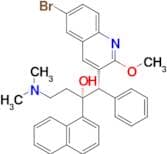
References Cheepsattayakorn, A., et al.: Anti-Infect. Drug. Discover.,7, 141 (2012); de Jonge M.R. et al.: Proteins, 67, 971 (2007); Diacon A.H. et al.: N. Eng. J. Med., 360, 2397 (2009);Formula:C32H31BrN2O2Color and Shape:NeatMolecular weight:555.5(±R,²S)-Bedaquiline
CAS:(±R,²S)-Bedaquiline is a diarylquinoline that is used in the treatment of drug-resistant tuberculosis. It has shown efficacy against multidrug-resistant tuberculosis and has been shown to reverse abnormal changes in bacterial DNA induced by injury. Bedaquiline displays antimycobacterial activity and is typically used as part of a multidrug regimen for the treatment of tuberculosis. Clinical trials have demonstrated that bedaquiline can improve pulmonary function, reduce the risk of decline in lung function, and improve survival rates for patients with drug-resistant tuberculosis.
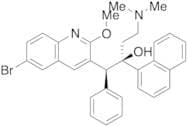
Formula:C32H31BrN2O2Purity:Min. 95%Molecular weight:555.5 g/mol