CAS 885526-86-3
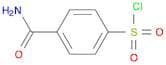
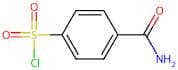
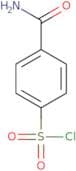
:Benzenesulfonyl chloride, 4-(aminocarbonyl)-
Description:
Benzenesulfonyl chloride, 4-(aminocarbonyl)-, also known by its CAS number 885526-86-3, is an organic compound characterized by the presence of a sulfonyl chloride group attached to a benzene ring, which is further substituted with an aminocarbonyl group. This compound typically appears as a colorless to pale yellow liquid or solid, depending on its form and purity. It is known for its reactivity, particularly due to the sulfonyl chloride functional group, which can participate in nucleophilic substitution reactions. The aminocarbonyl group contributes to its potential as a building block in organic synthesis, particularly in the preparation of pharmaceuticals and agrochemicals. The compound is soluble in organic solvents but may have limited solubility in water. Safety precautions are necessary when handling this substance, as it can be corrosive and may cause irritation to the skin, eyes, and respiratory system. Proper storage in a cool, dry place away from moisture and incompatible materials is essential to maintain its stability and reactivity.
Formula:C7H6ClNO3S
Sort by
Purity (%)
0
100
|
0
|
50
|
90
|
95
|
100
Found 4 products.
4-(chlorosulfonyl)benzamide
CAS:Formula:C7H6ClNO3SPurity:97%Color and Shape:SolidMolecular weight:219.64544-(Aminocarbonyl)benzenesulfonyl chloride
CAS:4-(Aminocarbonyl)benzenesulfonyl chloridePurity:97%Molecular weight:219.65g/mol4-(aminocarbonyl)benzenesulfonyl chloride
CAS:Formula:C7H6ClNO3SPurity:97%Color and Shape:Solid, Light beige powderMolecular weight:219.644-(Aminocarbonyl)benzenesulfonyl chloride
CAS:4-Aminocarbonylbenzenesulfonyl chloride is a pharmaceutical drug used to treat infections caused by bacteria that are resistant to other antibiotics. It is also used as a conditioning agent for the treatment of cystic fibrosis. The drug inhibits bacterial growth by binding to the ribosomal RNA and inhibiting protein synthesis. The drug also has been shown to inhibit bacterial growth through a number of other mechanisms, including inhibition of fatty acid metabolism, diahelical interactions with fatty acids, and inhibition of the production of inhibitory compounds. 4-Aminocarbonylbenzenesulfonyl chloride has been shown to be especially effective against Pseudomonas aeruginosa and Enterobacter aerogenes.Formula:C7H6ClNO3SPurity:Min. 95%Molecular weight:219.64 g/mol