CAS 88721-09-9
:Adynerigenin β-neritrioside
Description:
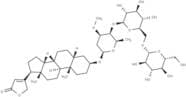
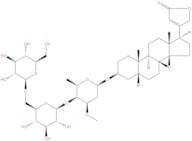
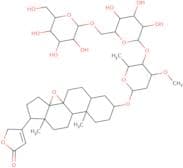
Adynerigenin β-neritrioside is a glycoside compound characterized by its structure, which includes a flavonoid aglycone (adynerigenin) linked to a sugar moiety (β-neritrioside). This compound is part of a larger class of flavonoids known for their diverse biological activities, including antioxidant, anti-inflammatory, and potential anticancer properties. The presence of the sugar moiety enhances its solubility and bioavailability, which can influence its pharmacological effects. Adynerigenin itself is derived from various plant sources, contributing to the compound's natural origin. The specific interactions and mechanisms of action of Adynerigenin β-neritrioside in biological systems are subjects of ongoing research, as scientists explore its potential therapeutic applications. Additionally, the compound's stability, reactivity, and interactions with other biomolecules are important factors in understanding its role in medicinal chemistry and natural product research. Overall, Adynerigenin β-neritrioside exemplifies the complexity and significance of glycosides in the field of natural products and pharmacology.
Formula:C42H64O17
Synonyms:- Adynerigeninβ-neritrioside
- Adynerigenin beta-neritrioside
- Adyneringentiobioside
- Adynerigenin β-neritrioside
- Card-20(22)-enolide, 8,14-epoxy-3-[(O-β-D-glucopyranosyl-(1→6)-O-β-D-glucopyranosyl-(1→4)-2,6-dideoxy-3-O-methyl-β-D-lyxo-hexopyranosyl)oxy]-, (3β,5β)- (9CI)
Sort by
Purity (%)
0
100
|
0
|
50
|
90
|
95
|
100
Found 4 products.
Adynerigenin β-neritrioside
CAS:Adynerigenin beta-neritrioside (Adynerin gentiobioside) is a trisaccharide glycoside isolated from oleander leaves.Formula:C42H64O17Purity:98%Color and Shape:SolidMolecular weight:840.95Adynerigenin β-neritrioside
CAS:Formula:C42H64O17Purity:95%~99%Color and Shape:PowderMolecular weight:840.957Adynerigenin β-neritrioside
CAS:Adynerigenin β-neritrioside is a naturally occurring glycoside, which is typically isolated from specific plant sources, such as members of the Apocynaceae family. Known for its complex molecular structure, this compound interacts with biological systems primarily through its modulation of cardiac and inflammatory pathways. By influencing cellular receptors and enzymes, it exhibits potential therapeutic actions that may benefit cardiovascular health and reduce inflammation.Formula:C42H64O17Purity:Min. 95%Molecular weight:840.9 g/mol