CAS 89555-39-5
:2-Naphthalenecarboxylic acid, 1-bromo-, methyl ester
Description:
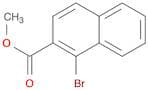
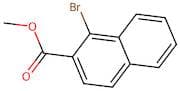
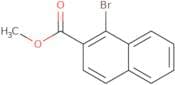
2-Naphthalenecarboxylic acid, 1-bromo-, methyl ester, with the CAS number 89555-39-5, is an organic compound characterized by its naphthalene structure, which consists of two fused benzene rings. This compound features a carboxylic acid group that is esterified with a methyl group, as well as a bromine atom attached to the first position of the naphthalene ring. The presence of the bromine substituent can influence the compound's reactivity and polarity, making it useful in various chemical reactions, such as nucleophilic substitutions. The methyl ester functional group contributes to its solubility in organic solvents and can facilitate further chemical transformations. Typically, compounds like this exhibit moderate to high melting and boiling points due to their aromatic nature and molecular interactions. Additionally, they may show biological activity, making them of interest in medicinal chemistry and material science. Safety data should be consulted for handling, as halogenated compounds can pose environmental and health risks.
Formula:C12H9BrO2
Synonyms:- 1-Bromo-2-naphthoic acid methyl ester
Sort by
Purity (%)
0
100
|
0
|
50
|
90
|
95
|
100
Found 4 products.
2-Naphthalenecarboxylic acid, 1-broMo-, Methyl ester
CAS:Formula:C12H9BrO2Purity:98%Color and Shape:SolidMolecular weight:265.10272-Naphthalenecarboxylic Acid, 1-Bromo-, Methyl Ester
CAS:2-Naphthalenecarboxylic Acid, 1-Bromo-, Methyl EsterPurity:98%Molecular weight:265.10g/mol2-Naphthalenecarboxylic acid, 1-bromo-, methyl ester
CAS:2-Naphthalenecarboxylic acid, 1-bromo-, methyl ester is a chiral molecule with two enantiomers. It can be synthesized from naphthalene and bromoacetic acid derivatives by an asymmetric synthesis. The diacid can be obtained through the cross-coupling of the corresponding organometallic reagent with a suitable halide. The 2-naphthacarboxylic acid, 1-bromo-, methyl ester has been used to synthesize various ligands with interesting properties. It has also been used in osmium chemistry and in enantioselective hydrogenation reactions.Formula:C12H9BrO2Purity:Min. 95%Molecular weight:265.1 g/mol